
Then & Now: 7 Historic Buildings in Washington County, WI
What if... the espresso bar where you get your morning latte was once a teeming hotel for 19th-century travelers? Or if the theater downtown hosted vaudeville acts over a century ago? Washington County, Wisconsin, is full of familiar landmarks that contain stories spanning over generations. As places that continue to be used every day, these historic buildings help sustain a vibrant economy and inspire a sense of community.
While the buildings’ owners, names, and purposes have changed over time - their presence remains a witness and source of Washington County’s past. And that’s the best part - you can discover history in the places you visit every day.
Let’s dive into the story of 7 of Washington County’s historic landmarks, then and now.
Historic "Coffee Corner" Building in Kewaskum, WI
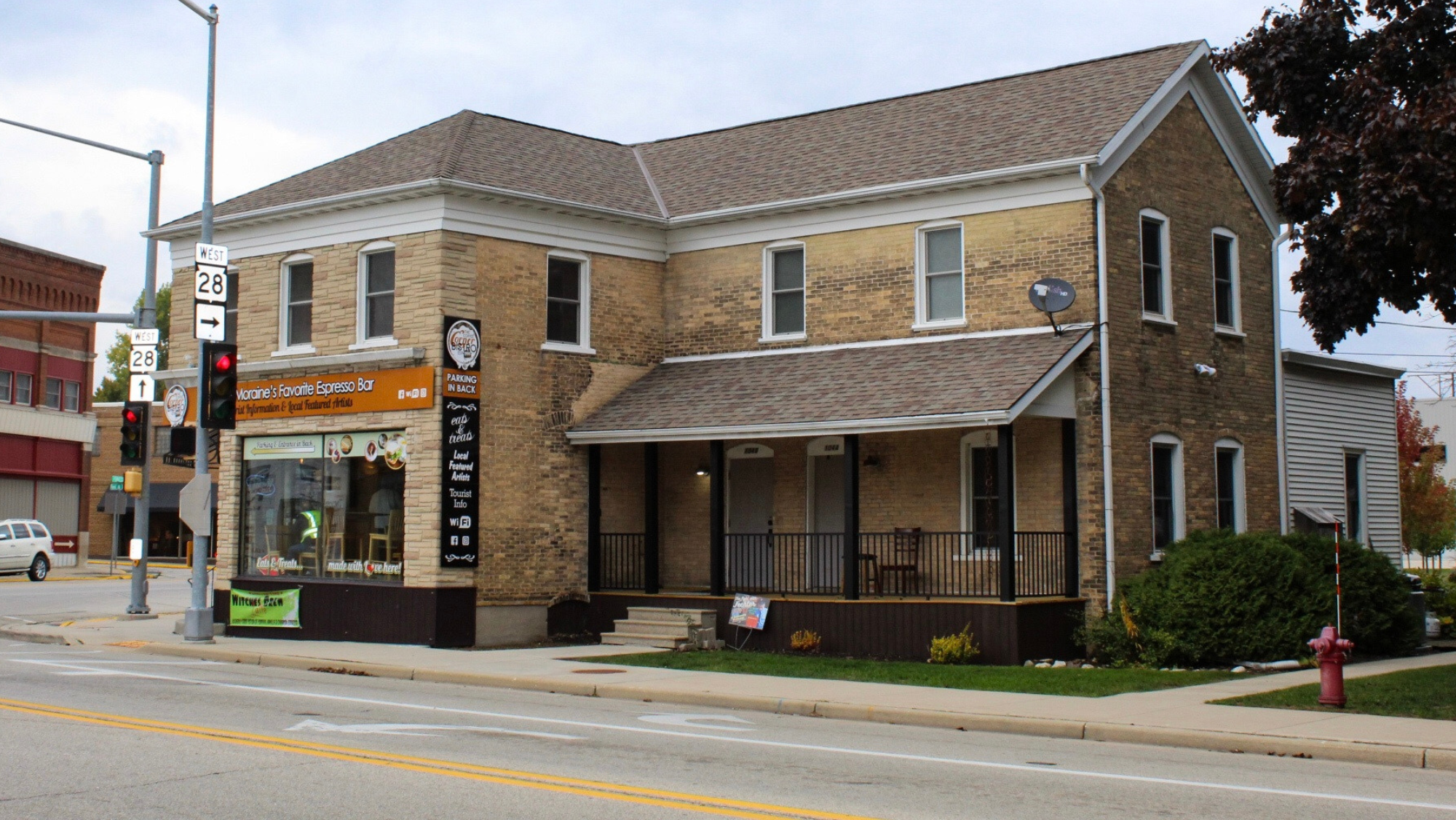
Did you know that in 1881, this building was one of six hotels in Kewaskum, Wisconsin?
The American House (or Coffee Corner as we now refer to it) overlooks the intersection of Main Street and Fond du Lac Avenue. Originally built as a hotel, this building was a haven and gathering place for travelers. Early advertisements for the American House read, ‘Good Stables in Connection with the House.’ The American House was founded by Nicolaus Gruth, who passed the business down to his son, Nicolaus Gruth Jr.
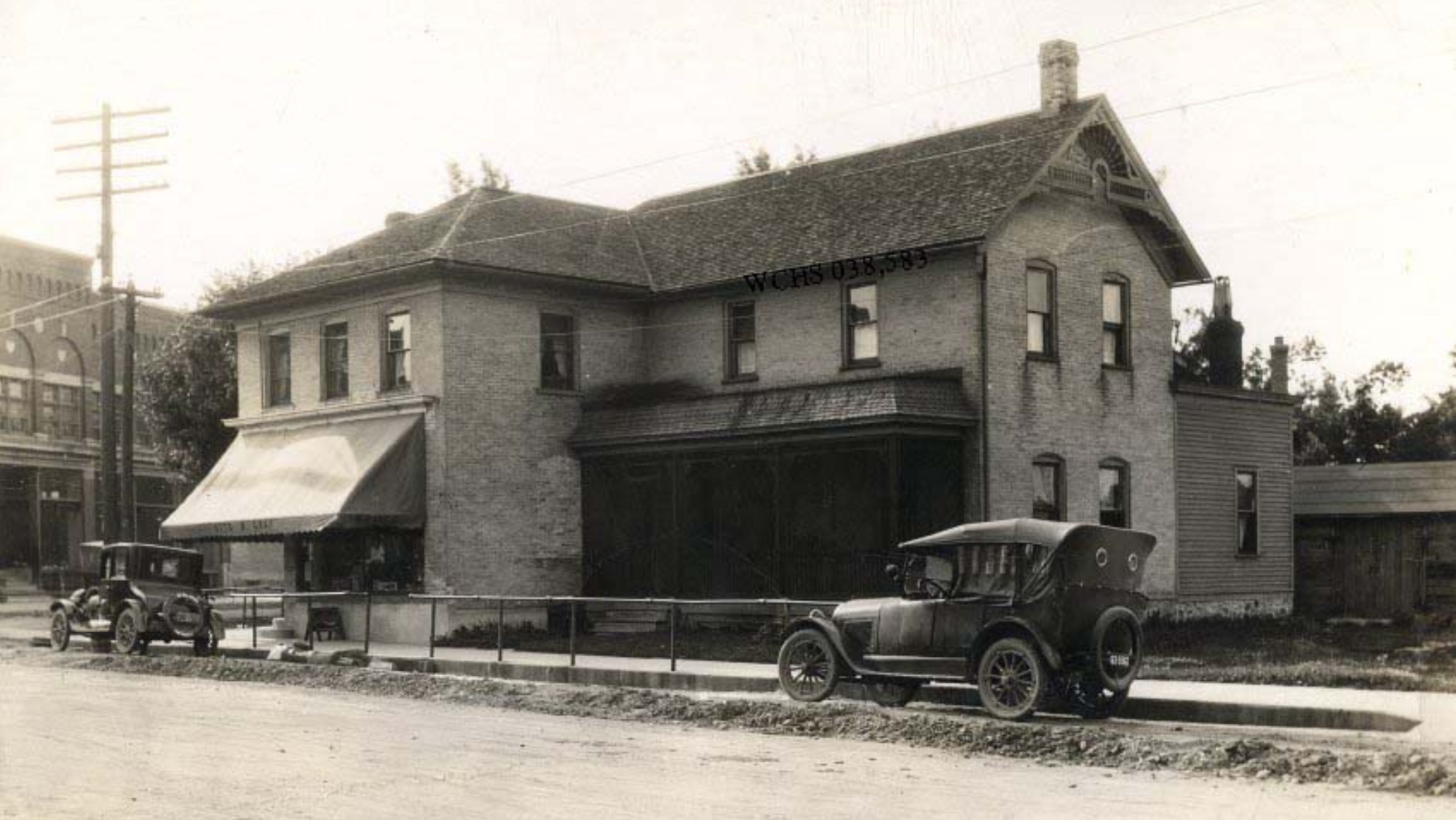
Later, the property was sold to Otto and Ann Graf, who converted the building into a drug store with a soda fountain and ice cream chairs. Eric Torkelson, a former Green Bay Packer, came to the store on a Friday night in 1975 to sign autographs.
Come 1999, the building began a new chapter as the coffee shop we know today. Coffee Corner Bistro, a European-style cafe, is Kettle Moraine’s favorite espresso bar. The establishment continues the tradition of bringing people together. It's a place where you can always count on a good time, excellent company, and great coffee.
 The Tower Heritage Center
The Orville - History of the Cream City Brick Building in West Bend, WI
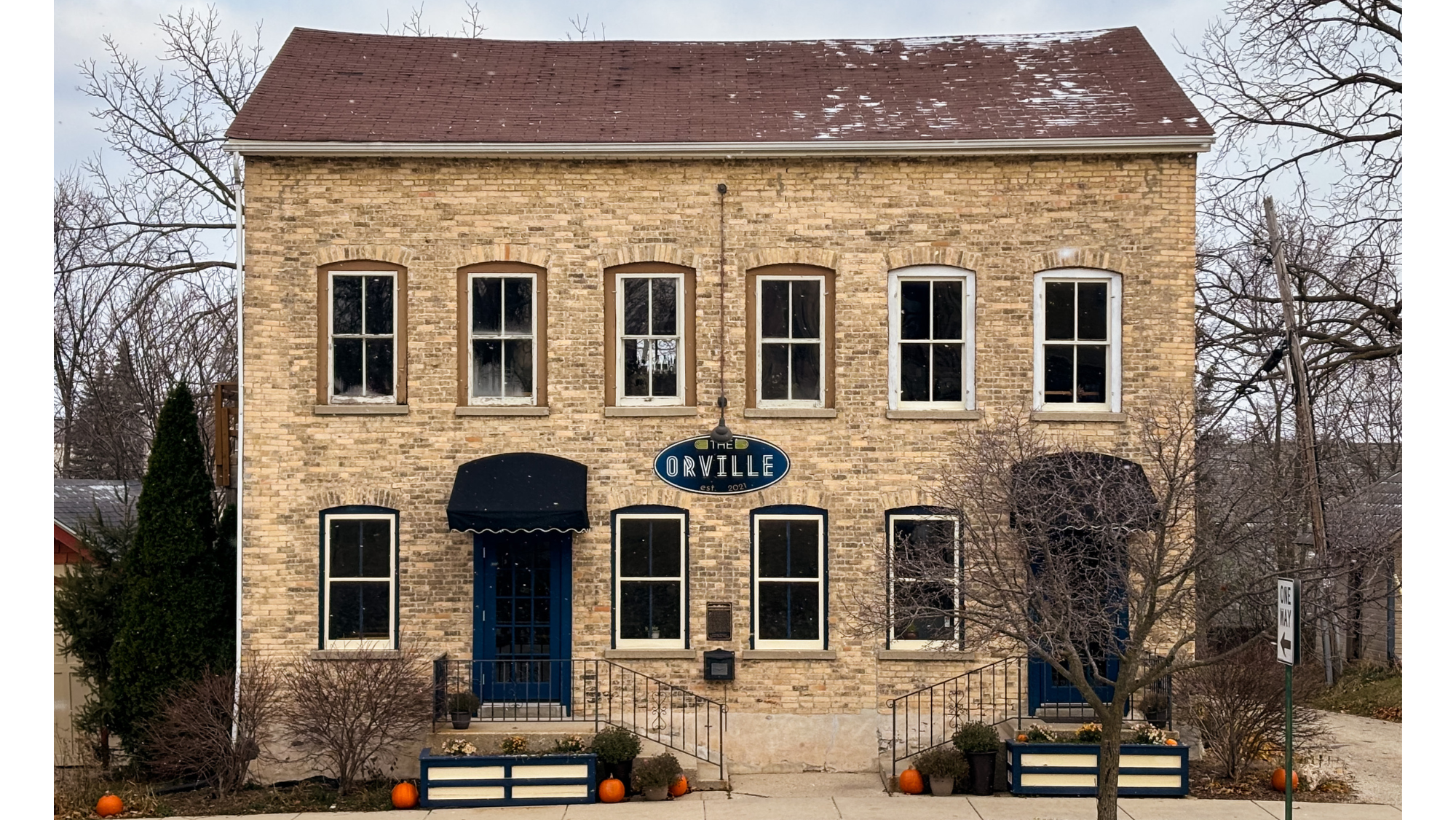
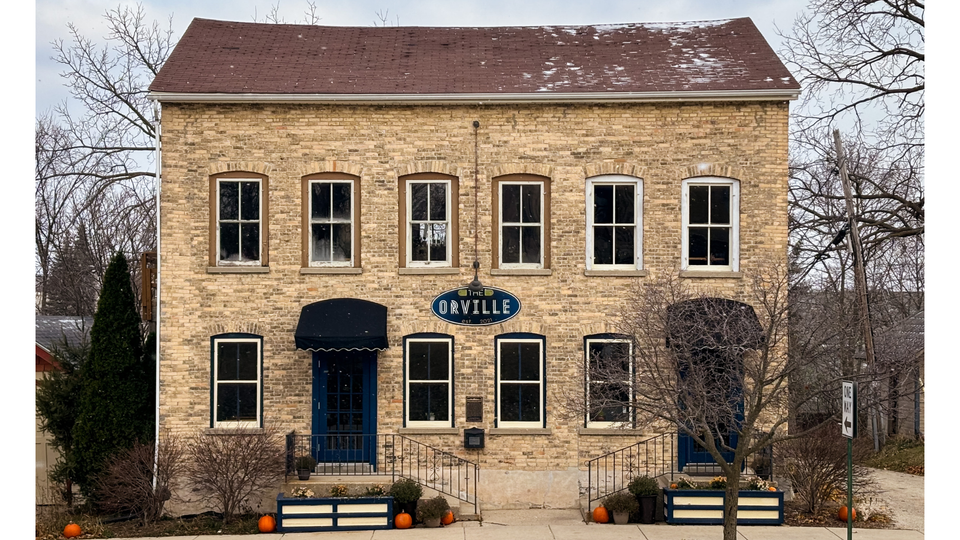
Hey, look – it’s the Orville! This charming restaurant is situated in a two and a half story brick building, locally recognized as the James Kneeland House. The building faces South on Poplar Street, and the land is a part of West Bend’s original acreage.
James Kneeland, one of West Bend’s founders, had bought the land in the 1840s. When Kneeland sold the land in 1858 to August Baert, Baert built the cream city brick building we see today.
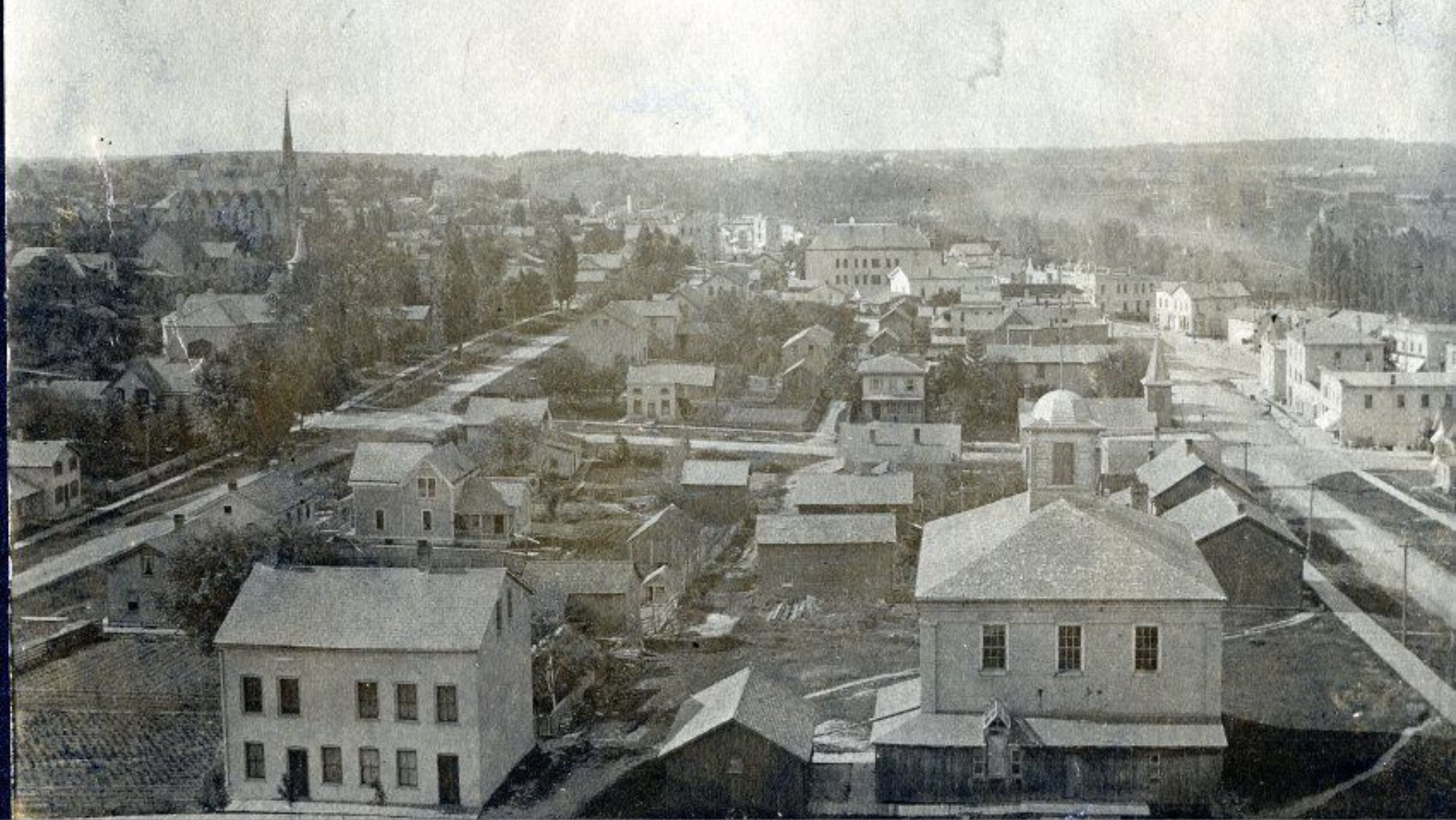
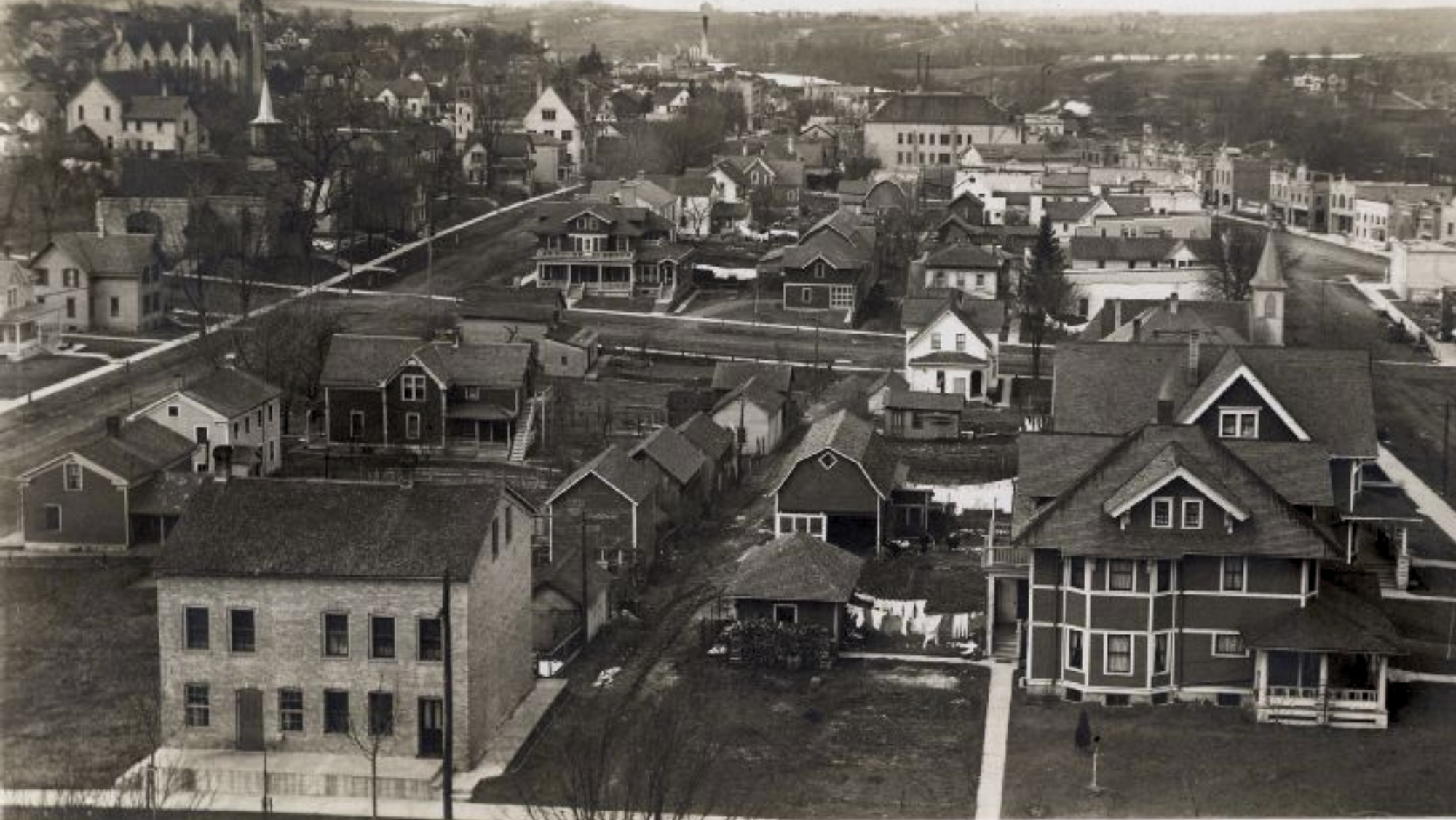
This building was originally constructed as an inn, later serving as a private residence, arts & crafts shop, and commercial office space. George Irish (one of West Bend’s earliest settlers) served as one of the inn’s managers.
Fun Fact: During the 1960s, a wooden board was discovered in the building’s basement with George Irish’s name on it!
From the exterior, much of the building’s original appearance remains intact. Today, it continues to serve as a space to gather, connect, and celebrate in downtown West Bend.
The Germantown Mutual Insurance Building From 1870
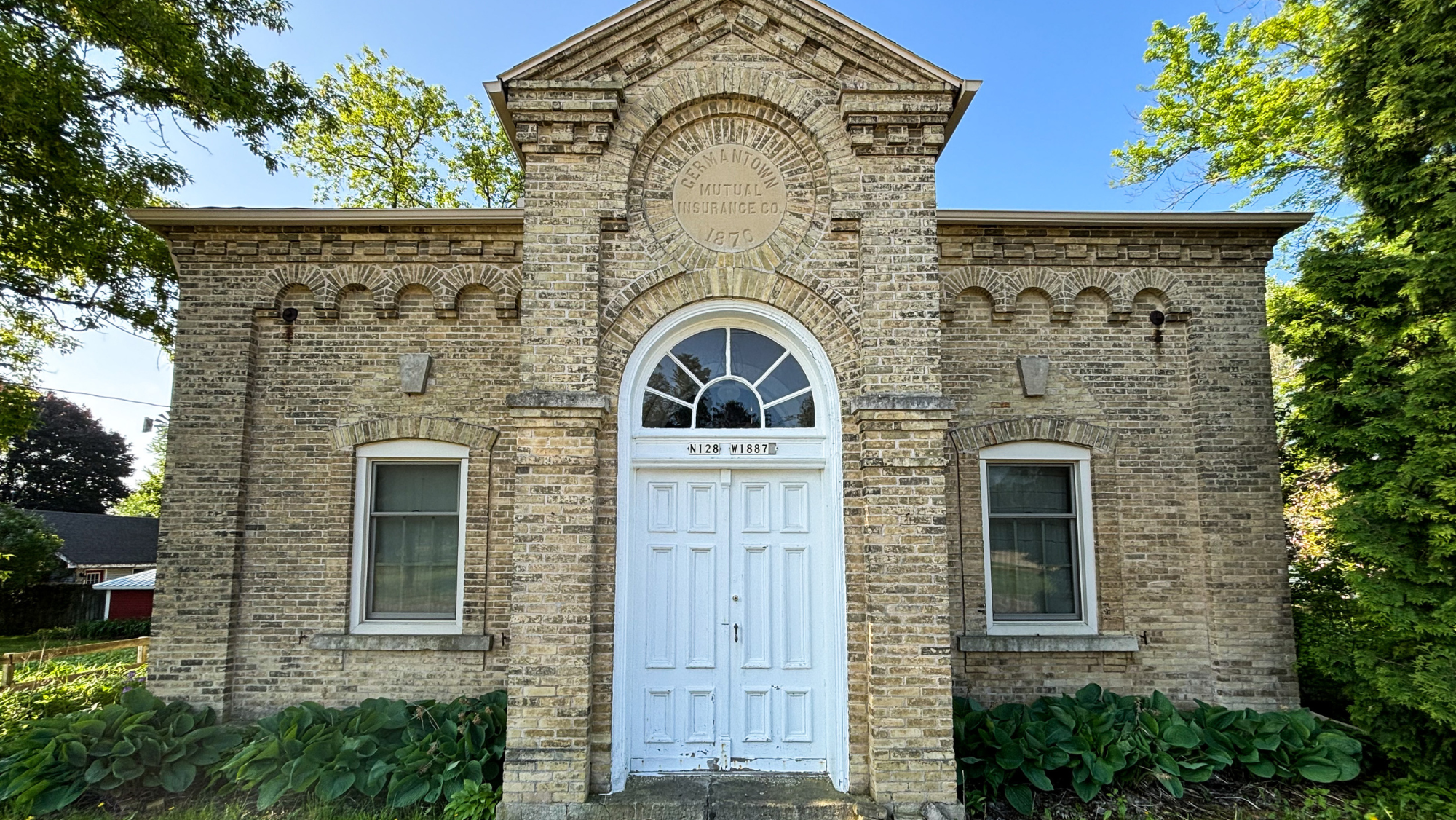
Built in 1870, this charming brick building was designed to be the office of the Germantown Mutual Insurance Company - Wisconsin's very first mutual insurance company.
Founded in 1854, the Germantown Mutual Insurance Company was created by a group of farmers who wanted to guarantee losses from fires. (This was considered a 'wild' idea at the time, because the only protection policies available were directly between homeowners and the fire department.)
Germantown Mutual Insurance Company aimed to cover ALL fire damage costs for company members. Considering that early Washington County was chiefly devoted to agriculture - finding a way to safeguard farmers' livelihoods was groundbreaking.
Business spread like fire (or that was the need for it, anyway) and with the company growing, they bought a parcel of land in 1870 with immediate plans to build the structure we see today, on Holy Hill Road in Germantown.
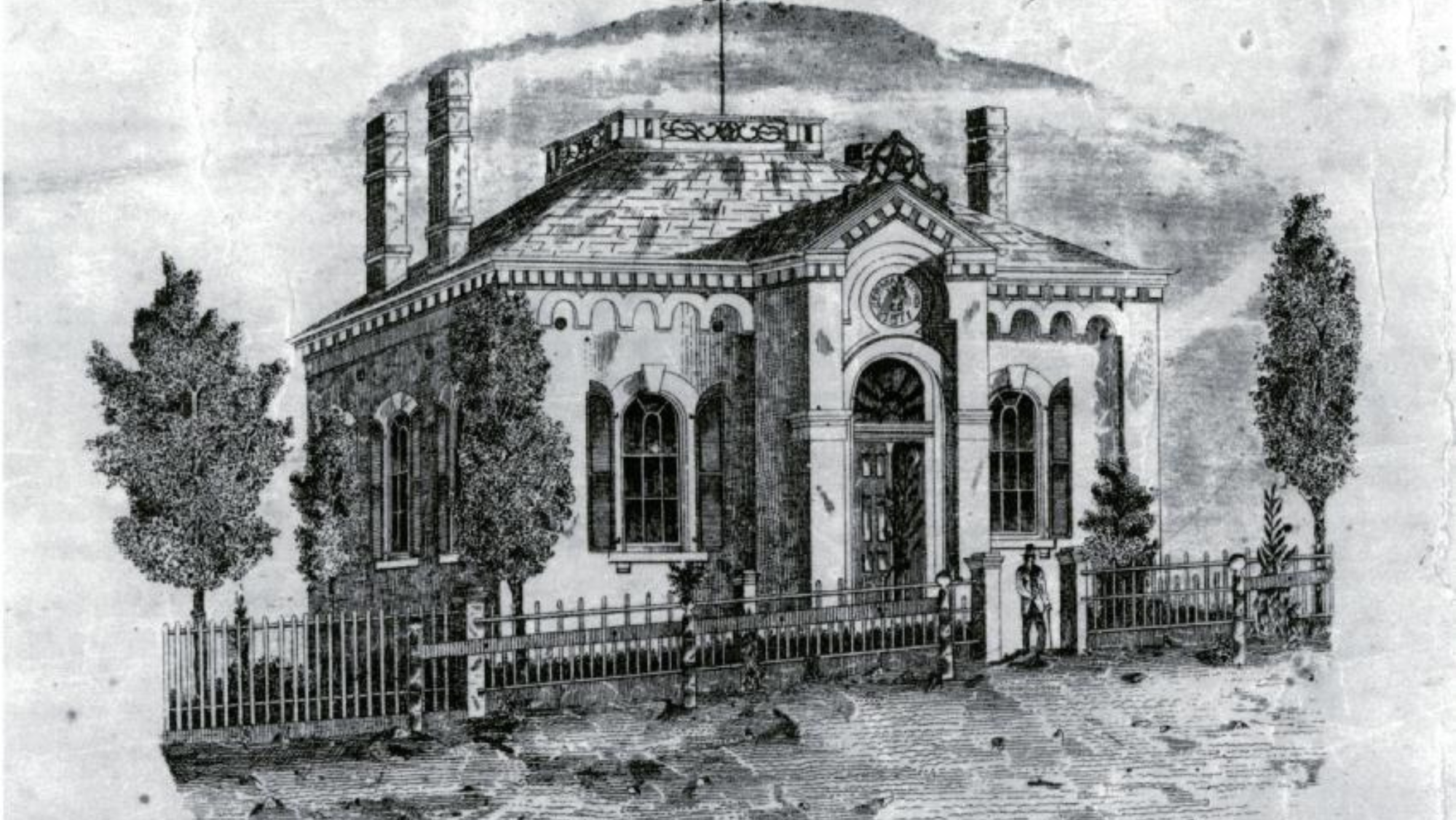
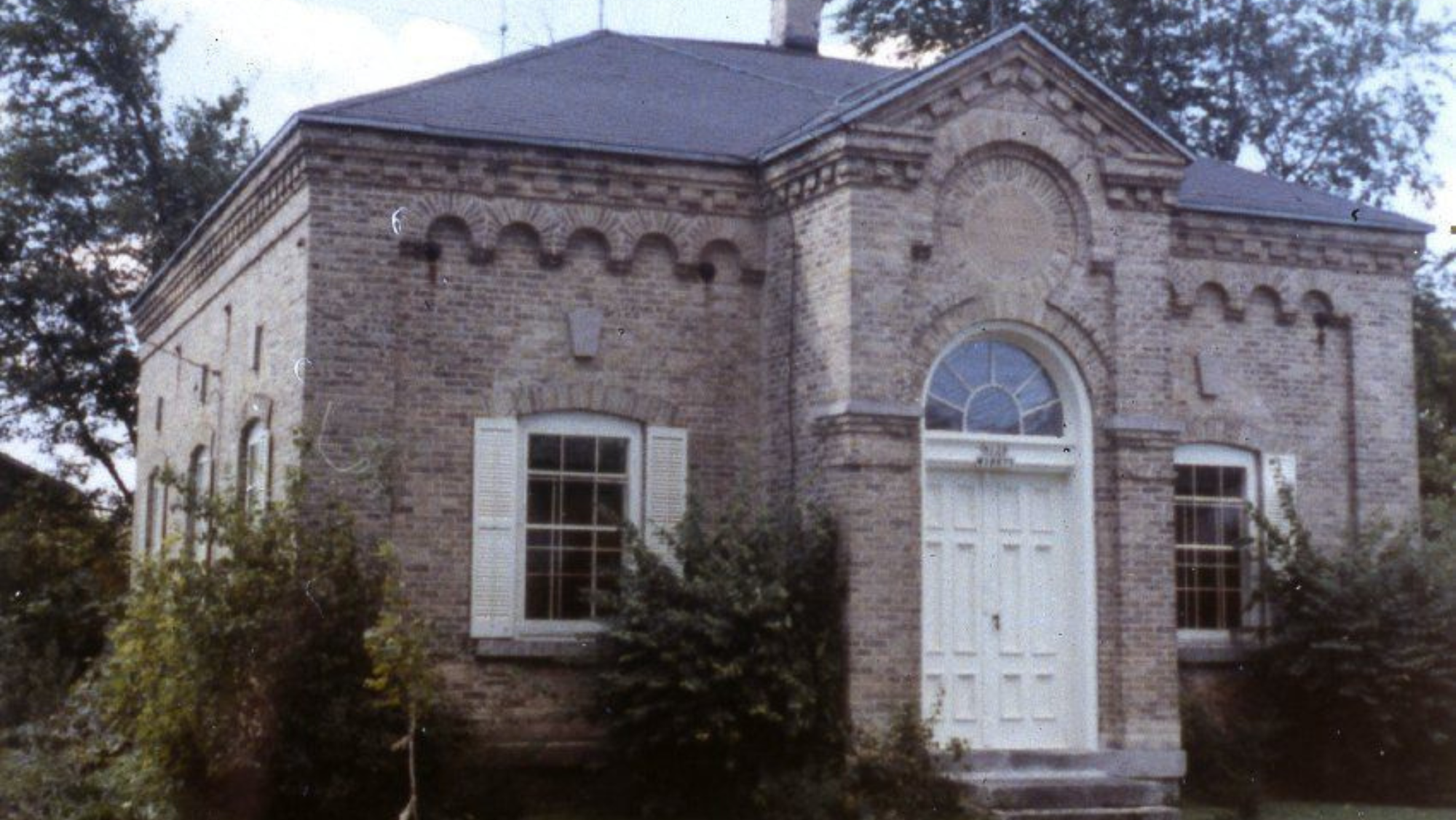
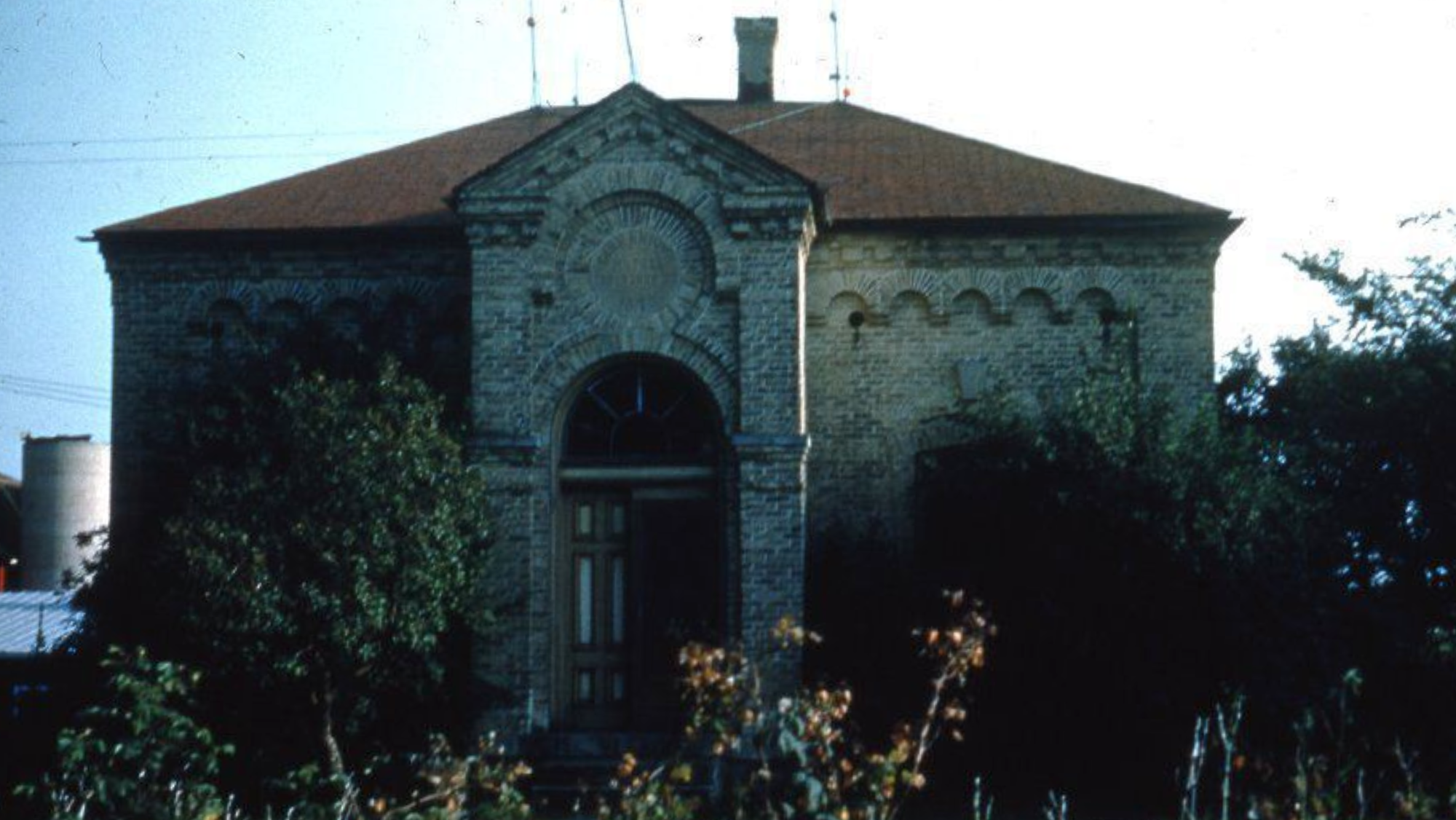
The Germantown Mutual Insurance Building throughout the years.
The building itself is of Italianate design - key features of the style denoted with round windows and a low-pitched roof.
Today, the building is a private residence. Though it has lost some of the architectural detail it was built with in 1870, this building continues to be a landmark of early entrepreneurship and industry in Washington County, Wisconsin.
Story Behind Bibinger's, Restaurant in Slinger, WI
Bibingers is an “old meets new” gastropub serving iconic Wisconsin dishes inside a 170-year-old Bibinger's building. John Bibinger is credited with building this structure in 1846. He established the ‘Bibinger Hotel and Dance Hall,’ providing a general store, saloon, and hotel in the Cedar Creek community.
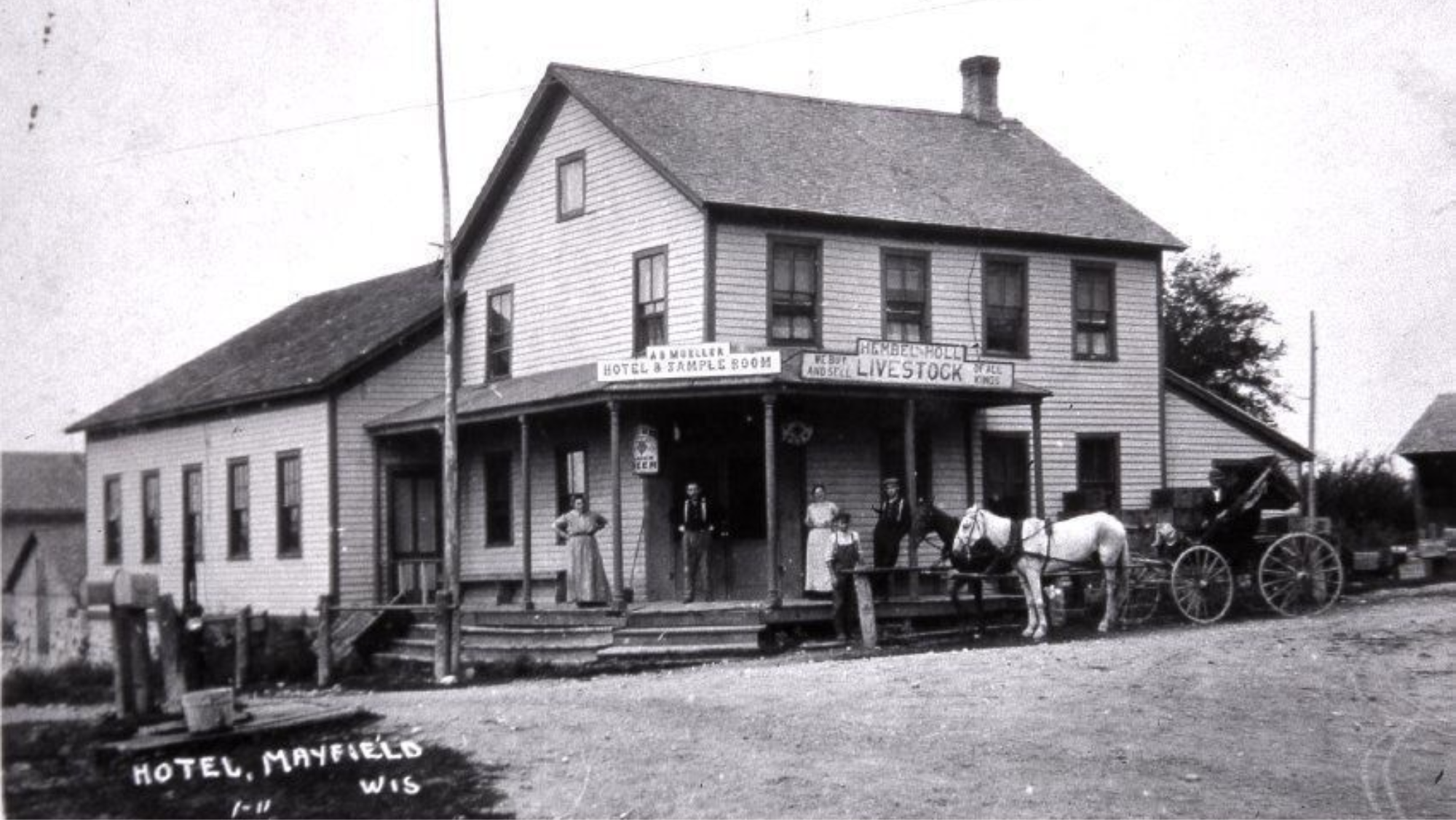
Later on, the building changed hands, becoming the A.B. Mueller Hotel and Sample Room in the 1920s. Eventually, Albert Heidtke added a slaughterhouse to the property to offer fresh local meat. Eventually, in 1941, the building came into possession of the Schwai family, who ran the business for 64 years.
In 2013, Kevin and Amy Zimmer purchased the building, renovating it to the Bibinger’s we know today. Since then, the Zimmer’s have continued the tradition of “good times, great food, and excellent service.”
West Bend’s 1930s Post Office Building
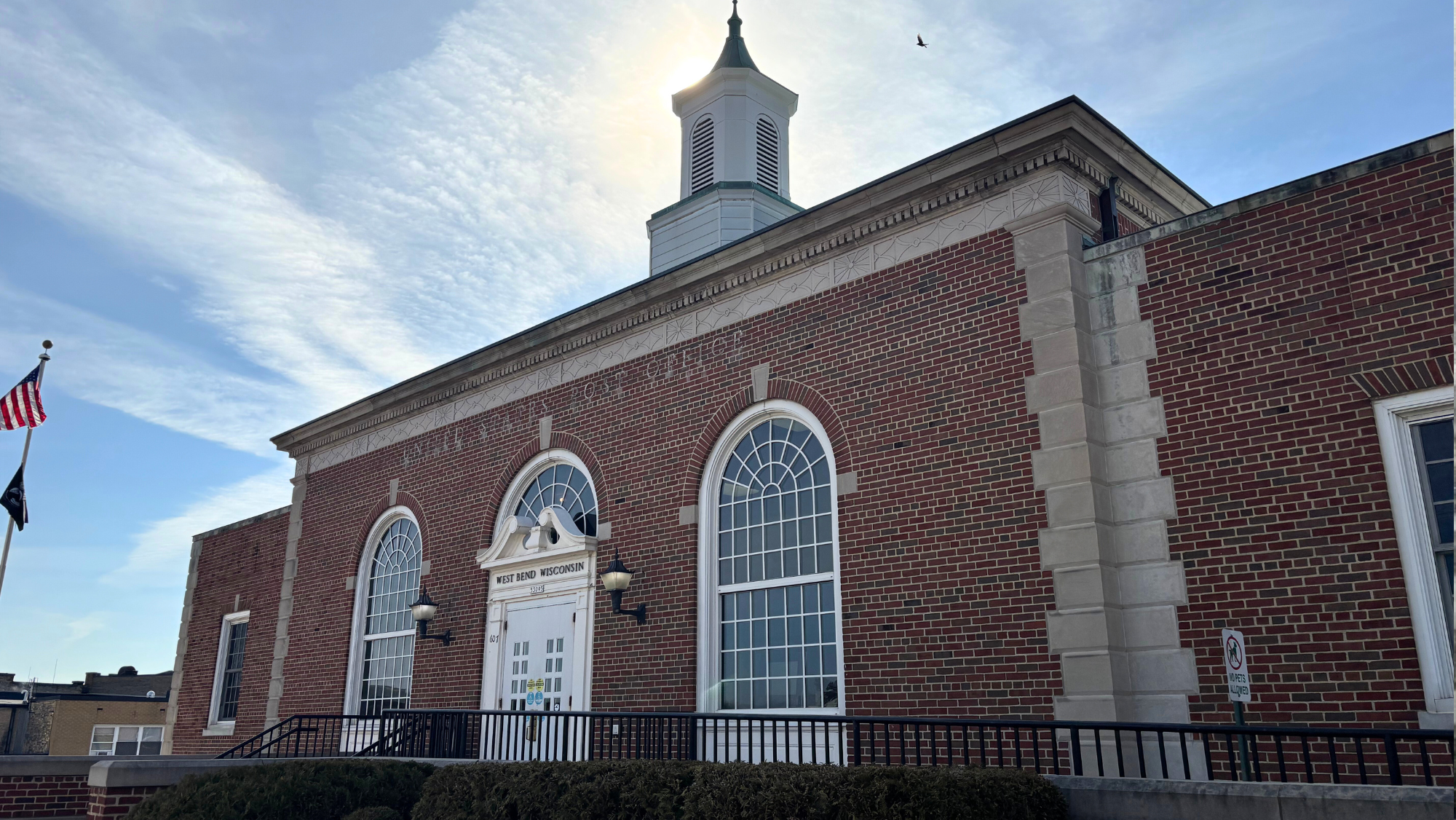
Before it was West Bend's post office, this land (at the intersection of Elm Street and Sixth Avenue) was the location of a residence. In an effort to build a new library building, the residence was completely destroyed to make room to build. Though a new library building never came. Seeing an opportunity in the empty lot, West Bend-ers began hosting band concerts on this site.
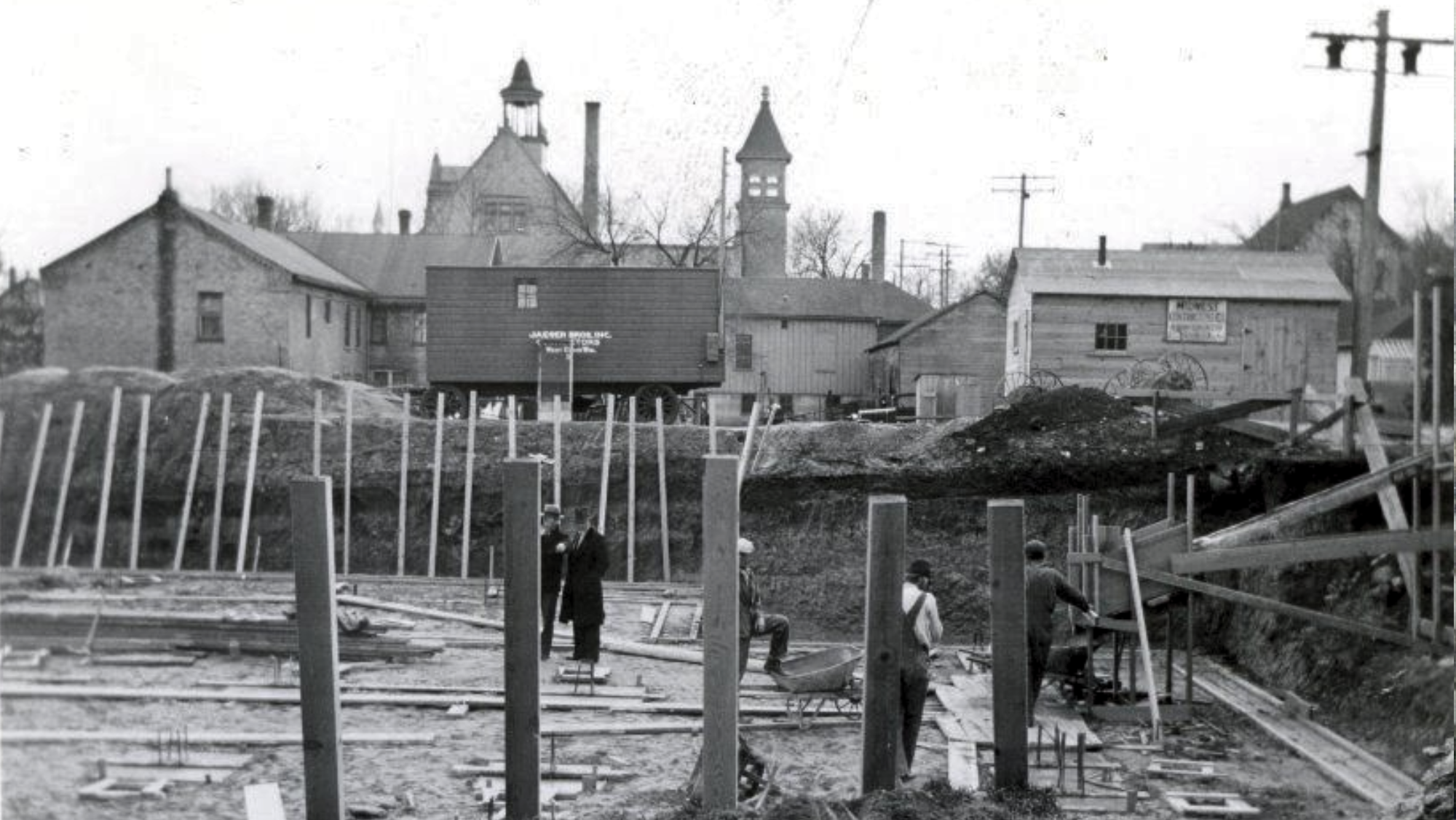
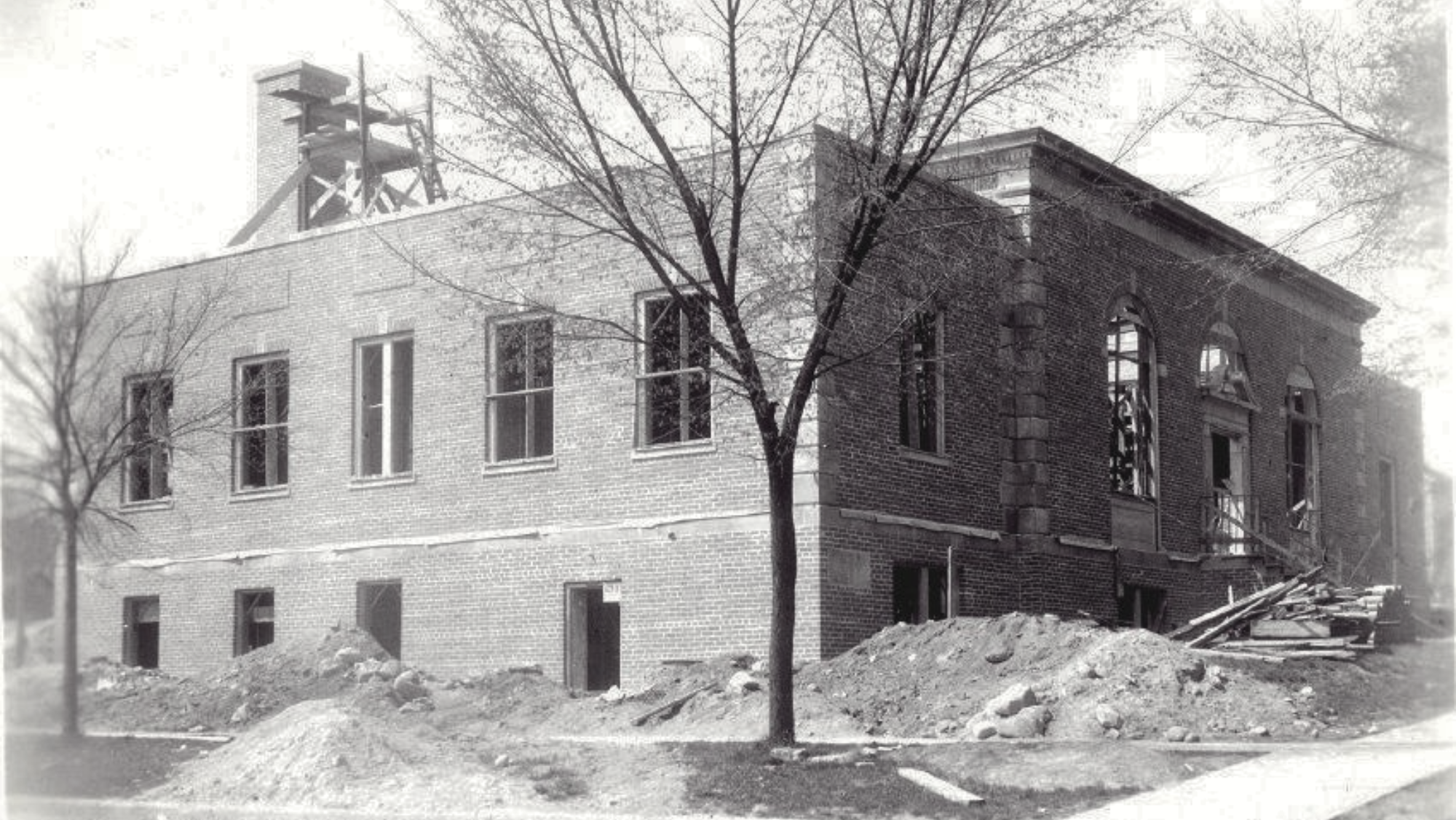
Construction progress of West Bend's historic post office building. Captured in 1936.
In the 1930s, the U.S. government bought the land, deciding to build a new post office building. Construction of the building reached completion in 1936, and since then, we've continued to utilize the building as West Bend's Post Office.
Hartford, WI's Historic 'Welsh Building' Turned Wine Bar
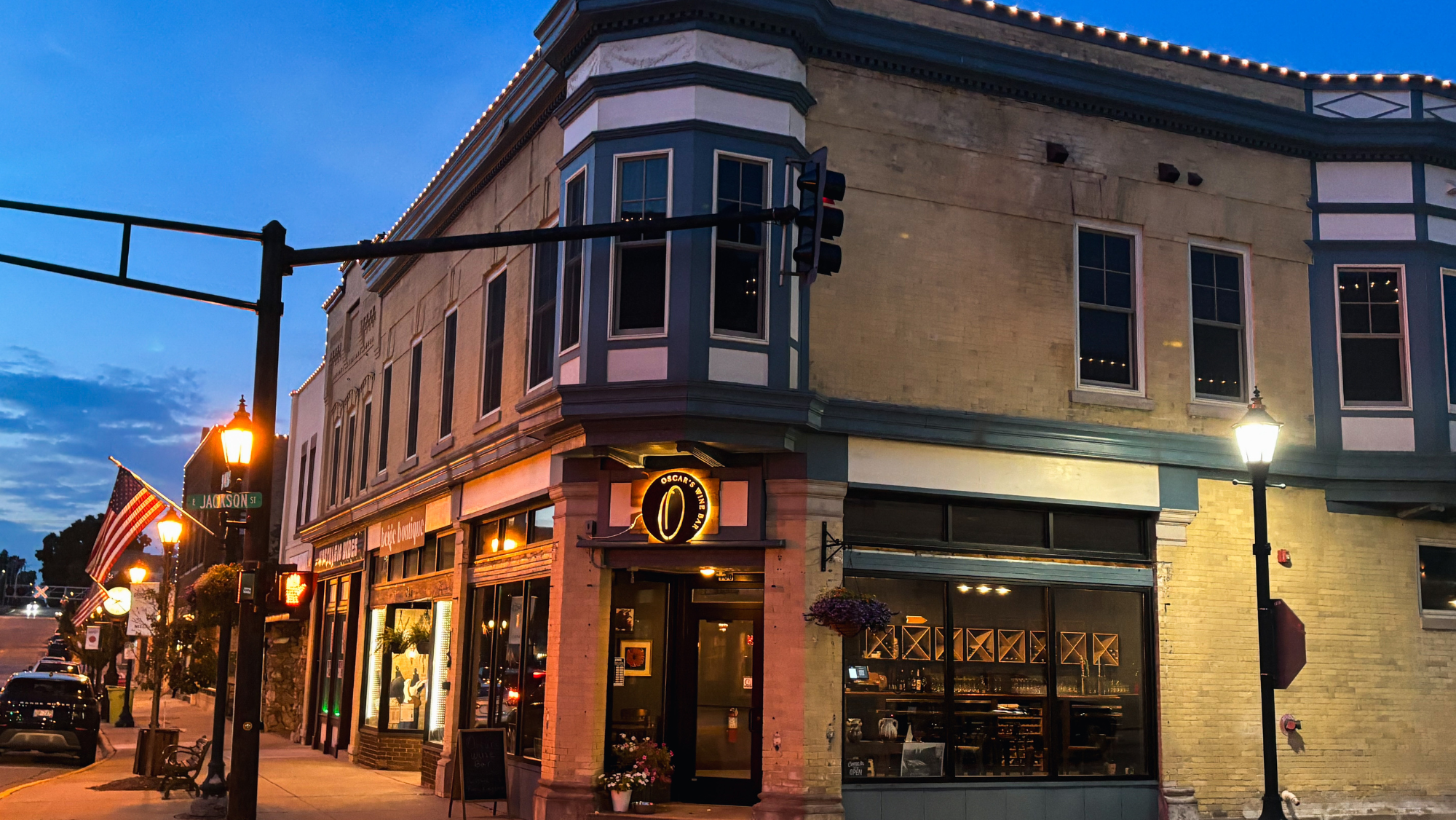
Built in 1900 and originally known as the ‘Welsh Building,’ Oscar's Wine Bar has history in its bones. With its Cream City brick surround and other surviving architectural elements, 100 N Main Street is an essential component of Downtown Hartford’s historic charm. And just like a good bottle of wine, this building has only gotten better with time!
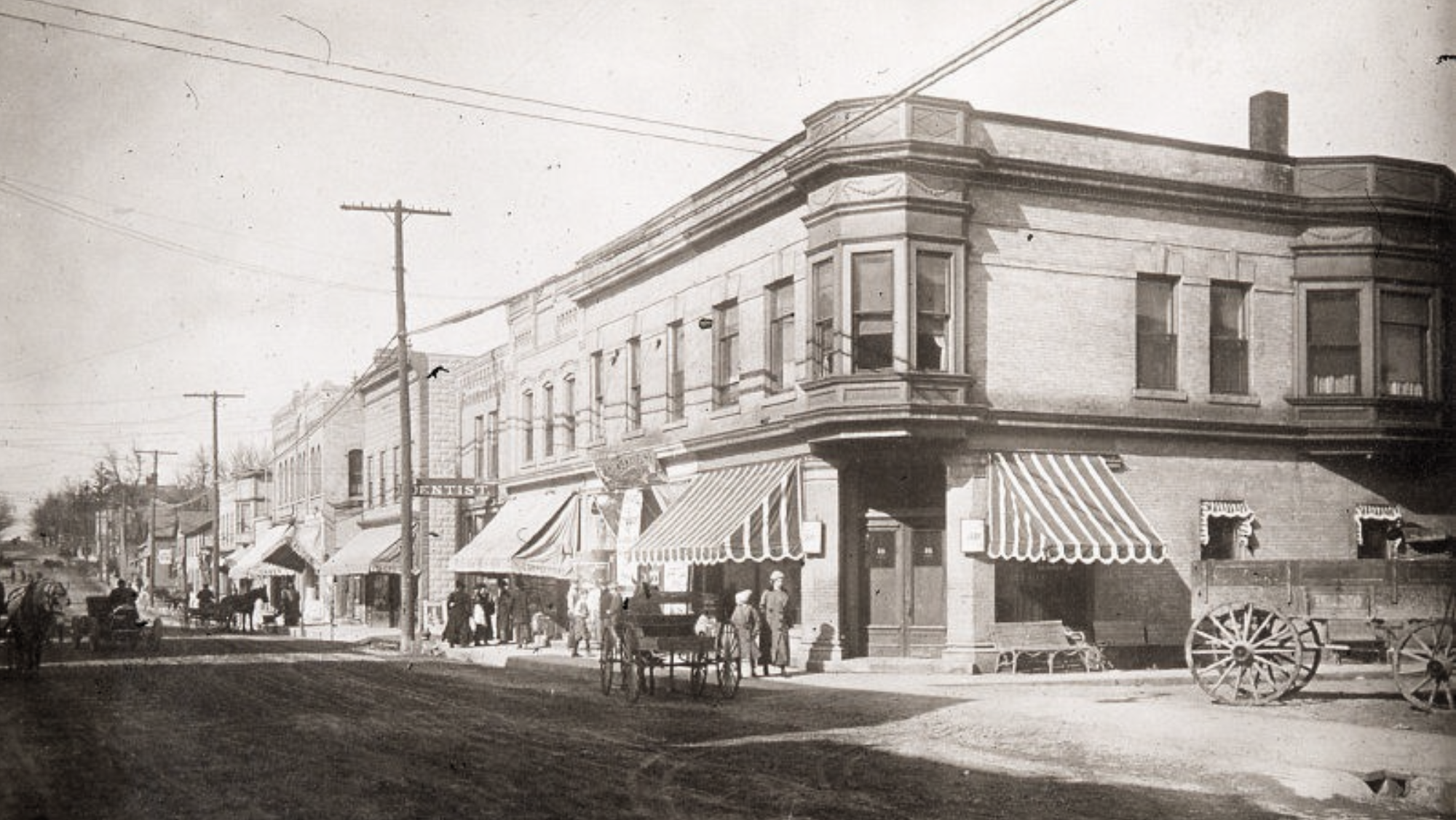
Built in 1900, this building was originally known as the Welsh Building. Before being built, a meat store occupied this site. Over the years, this building remained a commercial property. In 1909, it was a saloon, and then a men’s wear store in 1948. 1963 brought Heero’s Tot-n-Teen Shop, followed by a clothing store - Mode O’Day - in 1977.
The Painted Lady Gallery bookstore entered the scene in 1993. Following was The Mole Hole Gift Store in 2003. Today, this building’s present use is as Oscar's Wine Bar.
 The Tower Heritage Center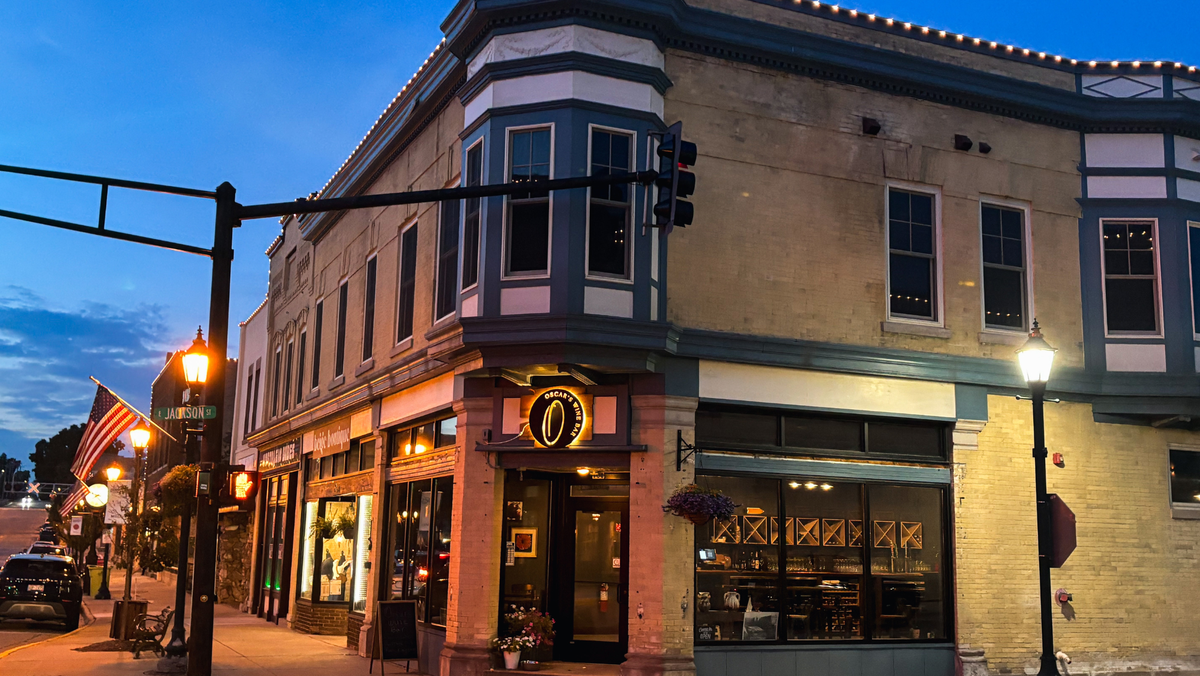
West Bend's Historic Art-Deco Theater
West Bend’s historic theater, The Bend, was built in 1929 during the golden age of cinema. The building’s trademark marquee is a time-honored fixture of downtown and has become synonymous with the building itself.
Built in 1929, during the golden age of cinema, this Art Deco building was designed by the renowned Chicago architecture firm, Graven & Mayger. It was originally built with a capacity for 600 people on the first floor and 225 people in the balcony.
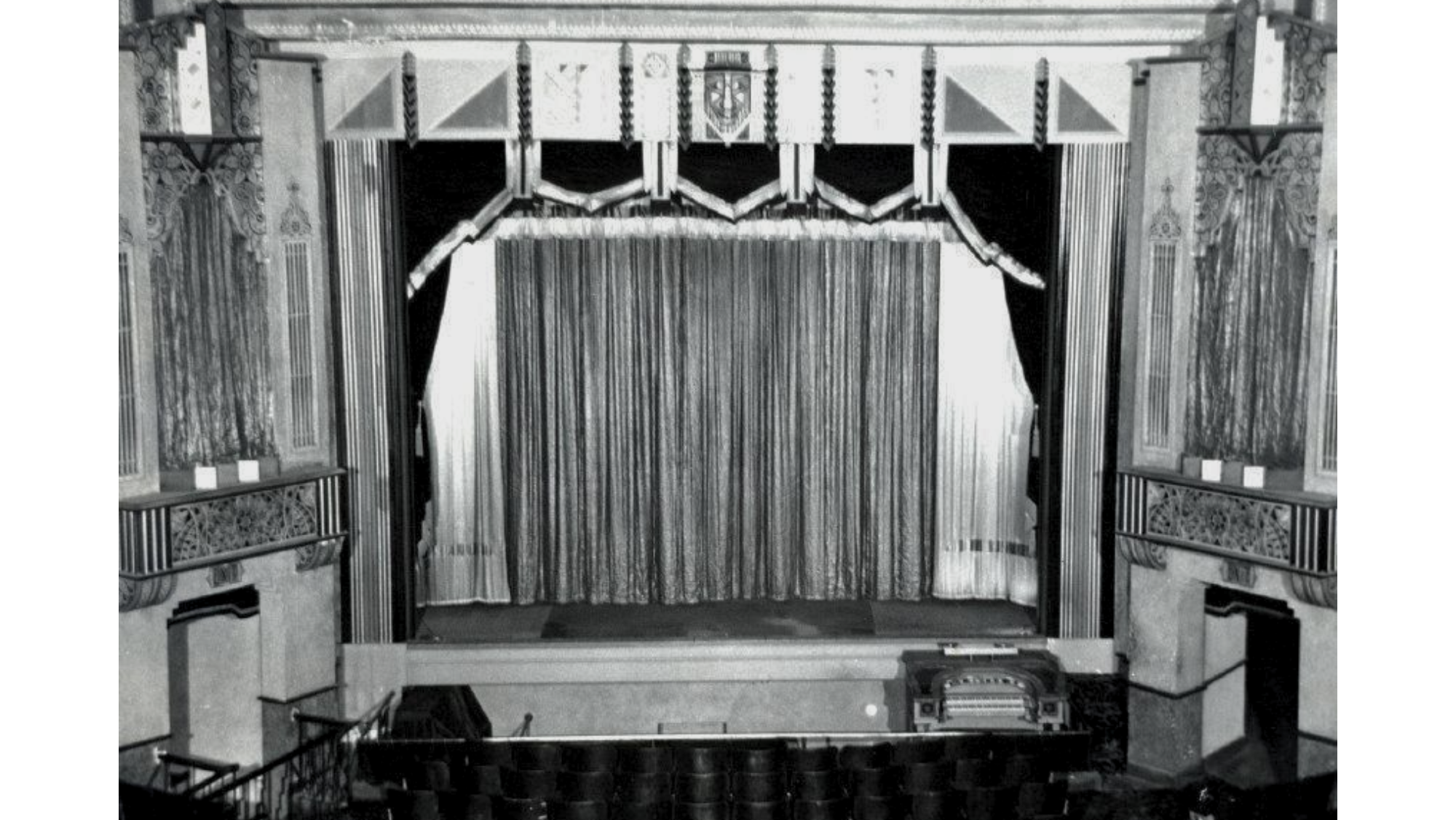
On December 4th, 2019, West Bend’s theater was added to the Wisconsin State Register of Historic Places. Since its restoration and grand reopening in 2020, The Bend has been a much-admired theater that hosts events, live comedy and music performances, art opportunities, and movies.
 The Tower Heritage Center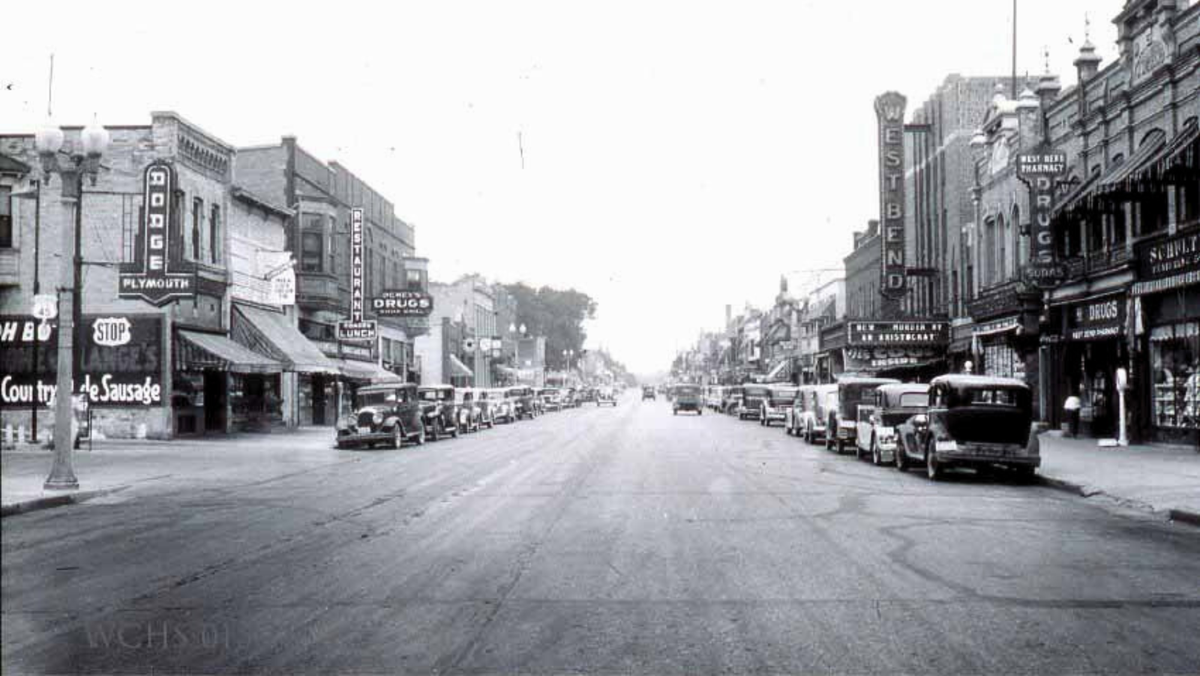
PARTING WORDS
Washington County’s historic landmarks have the ability to spark curiosity, sustain a vibrant economy, and directly contribute to the community’s sense of place. The best way to experience these everyday historic landmarks is to visit the local businesses that reside in them today.
On Caring for Historic Landmarks:
 The Tower Heritage Center
 The Tower Heritage Center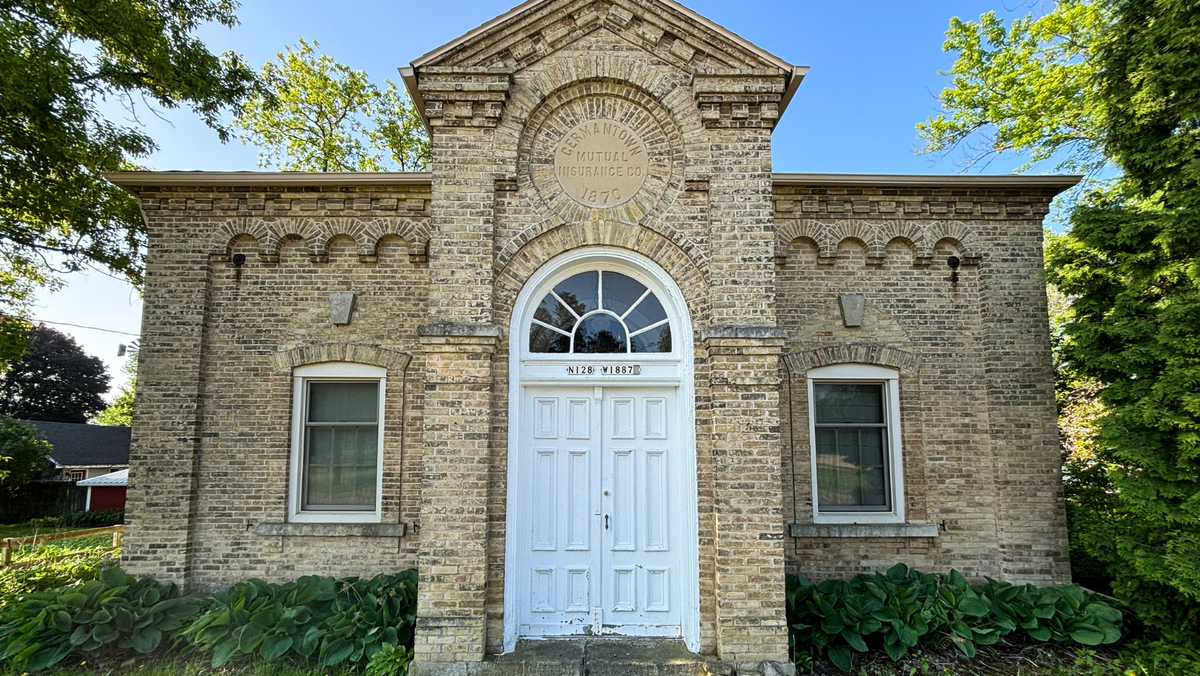
 The Tower Heritage Center
Preserving the Past, for Tomorrow
Community support keeps Washington County’s stories alive! Make a difference in preserving our community’s historic places and cultural heritage today - by becoming a member or making a donation.