
A County of Farmers: How Agricultural Innovators Shaped Washington County
This fall, we have been hosting the traveling exhibit “George Washington and a Nation of Farmers”. Not only is this an interesting and timely exhibit, made to celebrate America’s 250th anniversary, it also is deeply connected to Washington County history– and not just because of our name.

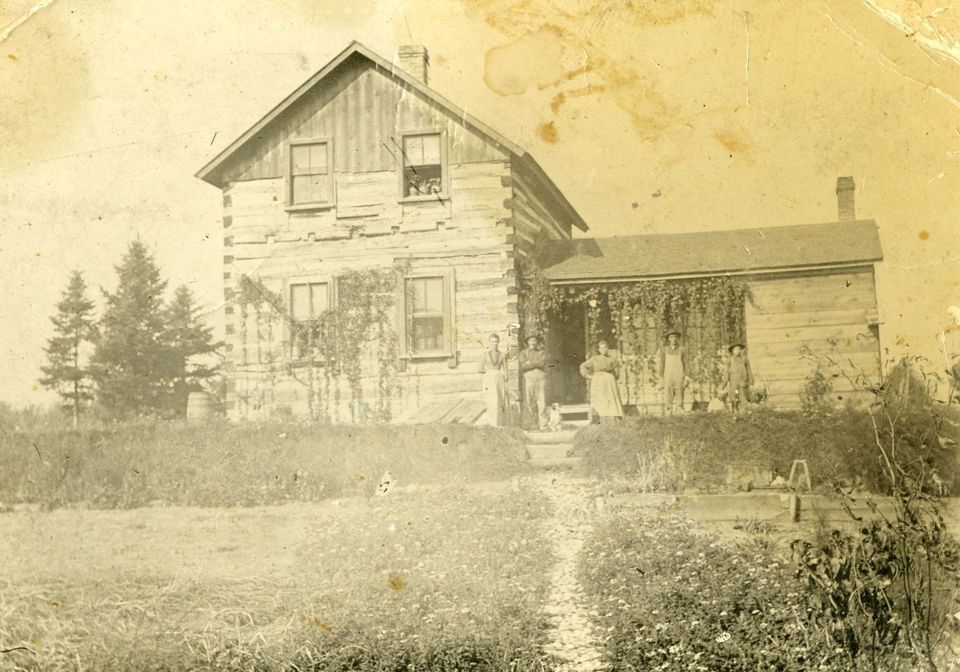
Washington County did not start out as a destination for people with agricultural ambition. It was heavily wooded and hilly– not well suited for farming. Many of the county's first settlers were drawn in by the potential for logging. Others were drawn by cheap land, and some established hotels and catered to travelers to profit from the route between Milwaukee and Fond Du Lac.
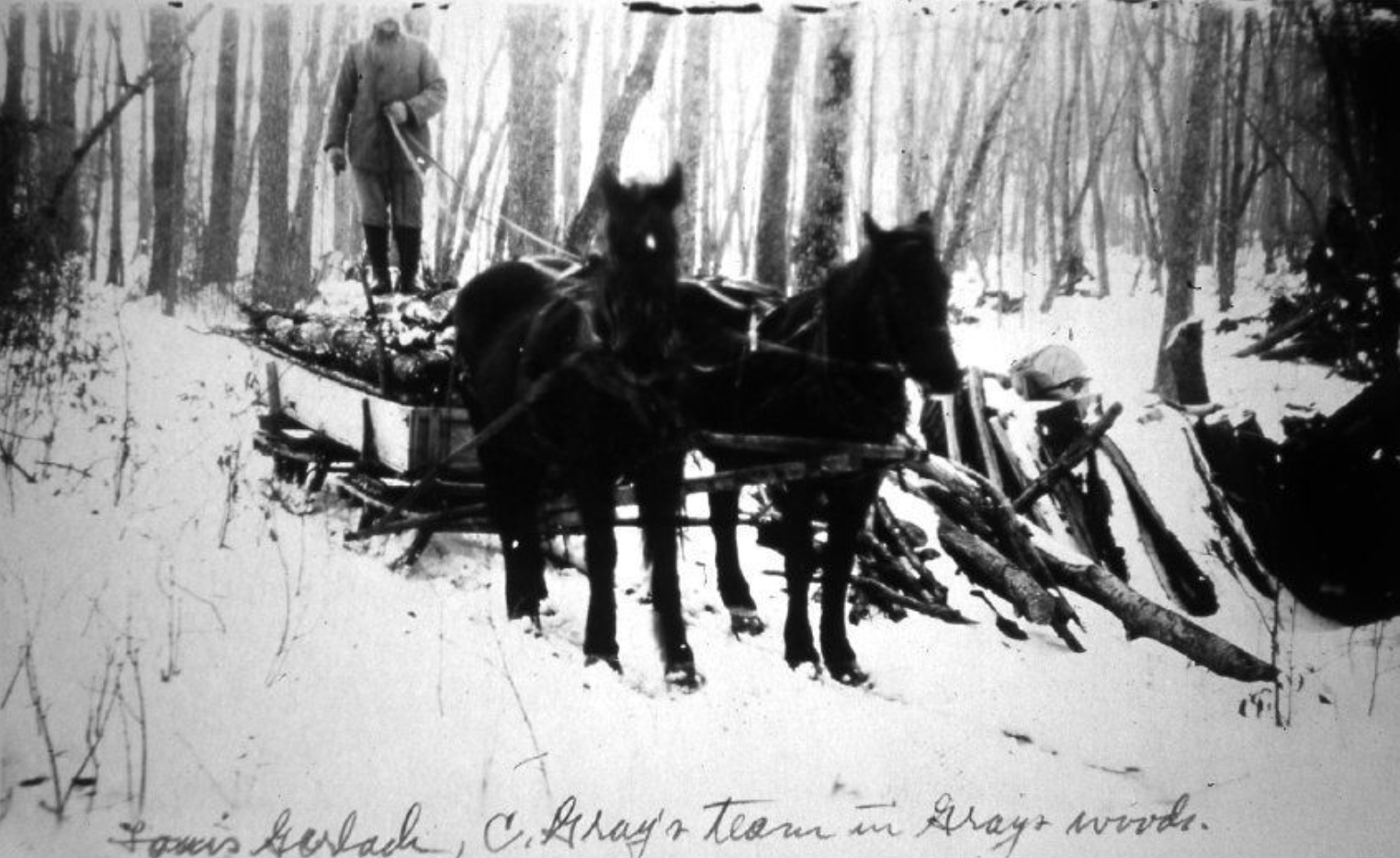
But the fine wood in the county was quickly felled, and German immigrants began to hear word of prime farmland in Wisconsin. Fleeing enforced military conscription for young men and little freedom to make a successful living in places like Pomerania and Bavaria, immigrants headed to the “New World”.
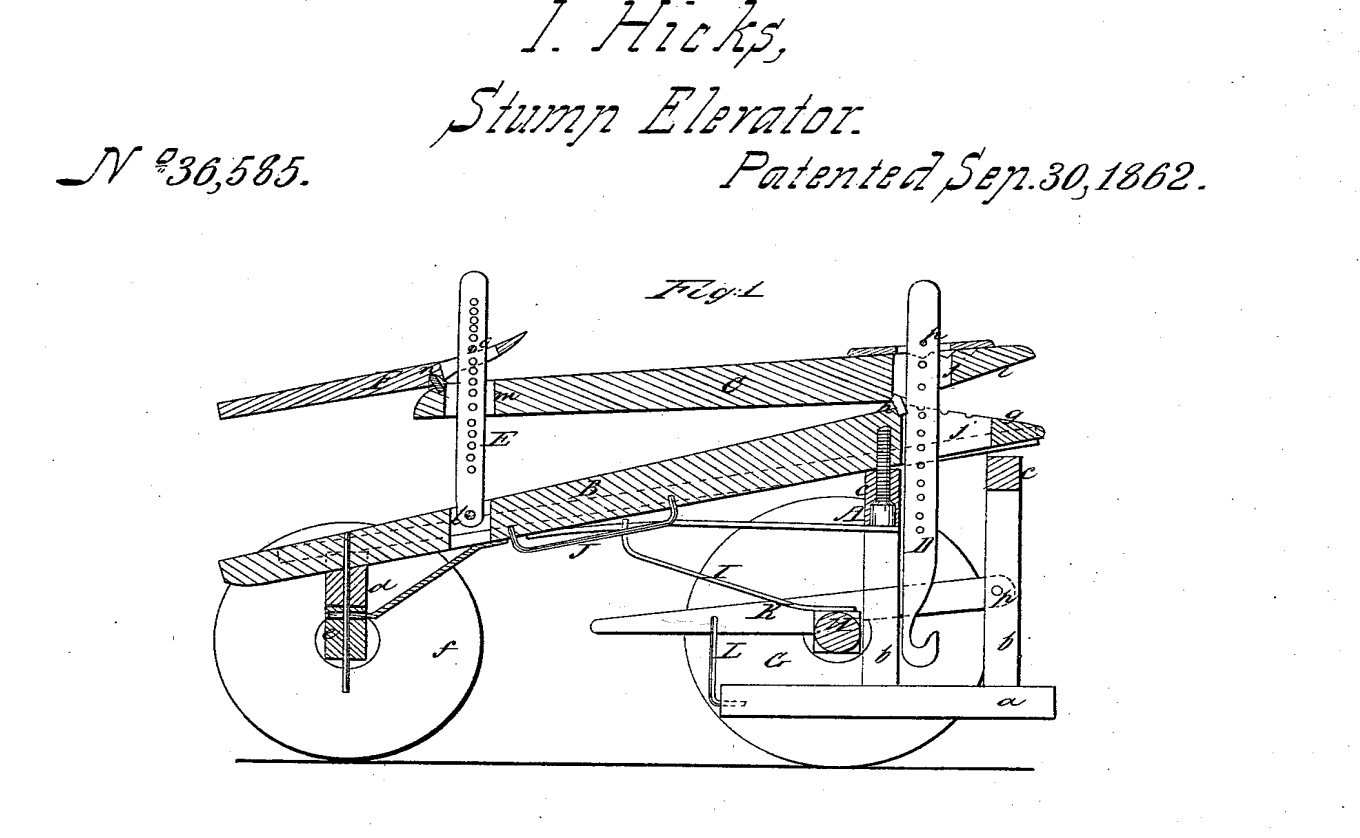
With new land came new innovation. The former logging land posed challenges for the new farmers. Early settlers sought to clear the land of the remnants of the great trees that had once stood tall. Isaac Hicks, an early East Coast settler born in 1819, came to Wisconsin in the 1850s with hopes of farming. He settled in Hartford, where he invented a Stump Elevator, which was used to remove the tree stumps left over from the days of forests. In the 1860s alone, 5 such elevators were patented in Washington County.
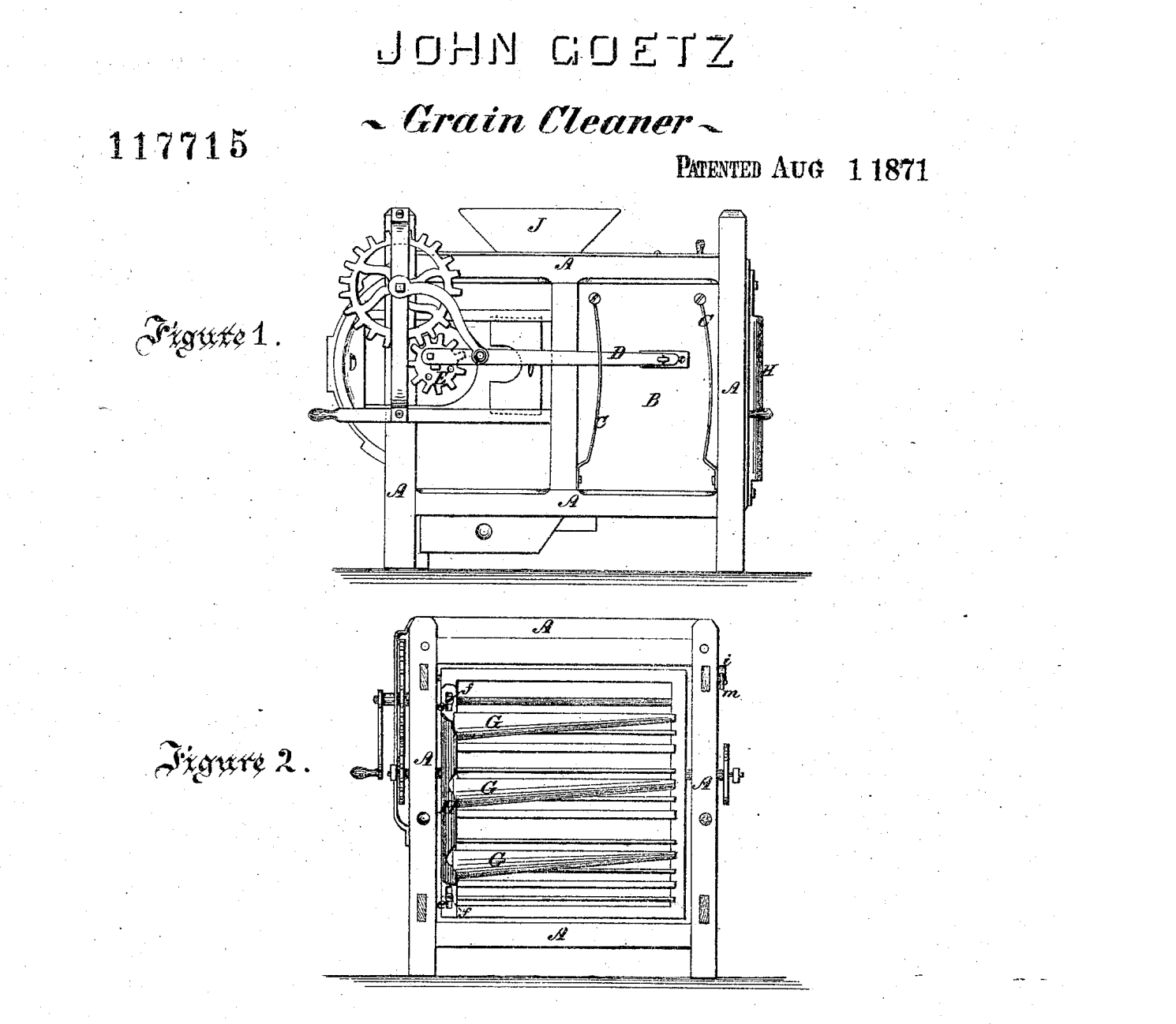
As farming began to take off, innovation would shift to better serve the needs of the farmers. Grain separators and binders were invented in the county between the 1850s and 60s. In the 1860s, Washington County joined the rest of Southeastern WI in producing the majority of wheat for the western United States. In 1871, German farmer and former Civil War Veteran John Goetz improved upon the Grain Cleaner, or Fanning Mill, as it is also called.
Agriculture was the dominant industry and occupation in Washington County throughout the 19th and early 20th Centuries. Land and self-reliance were seen as the means to live out independence. George Washington was revered by the settlers of the county as the ideal American. He was viewed as courageous and humble, and the Washington County farmers identified with his strong passion for agriculture.
In 1874, the founders of the county met and formed a club. “The Old Settlers’ Club” was officially founded in 1875, and the great men and women of the county would meet every year in celebration of George Washington’s birthday. They would share stories of their shared struggles, and they hoped to encourage the next generation to honor the fact that in America, one could make nothing into something.
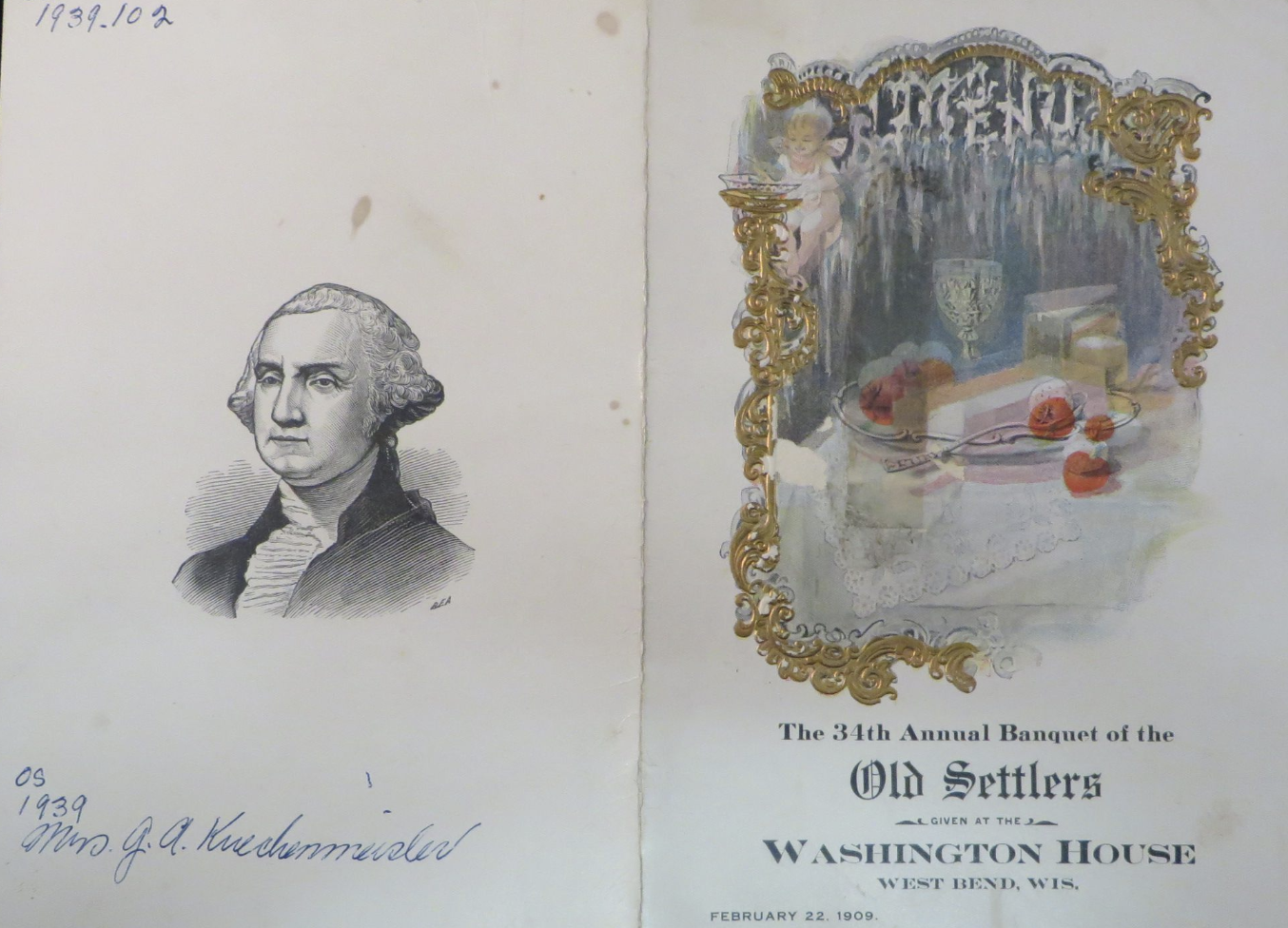
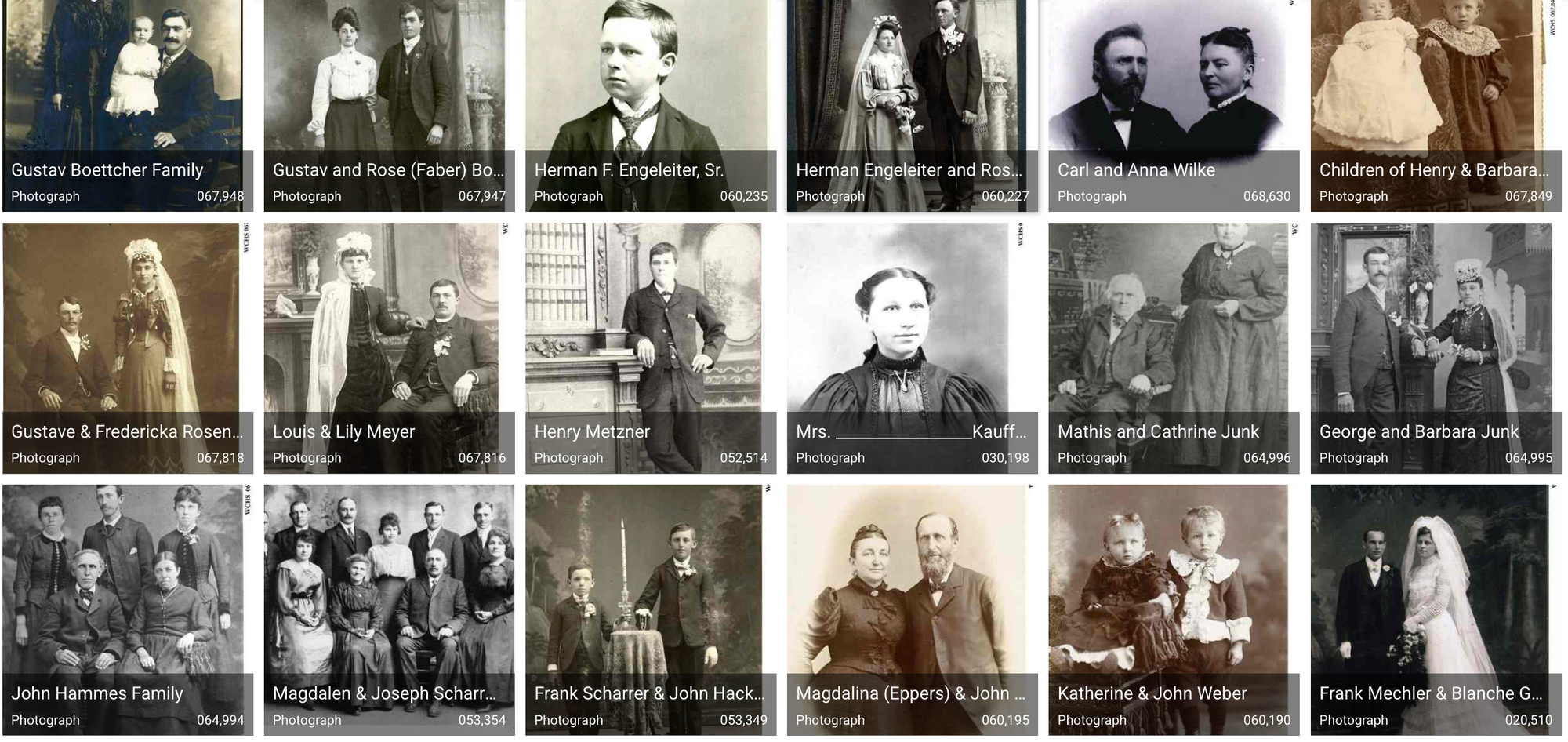
The innovations of these farmers helped increase yield and prosperity in the county. Families thrived off of their production of wheat, rye, apples, corn, oats, and other products. This gave farmers the capital to begin trying other entrepreneurial pursuits. John Goetz, for instance, traded his farming to become the lead photographer of West Bend and the surrounding areas.
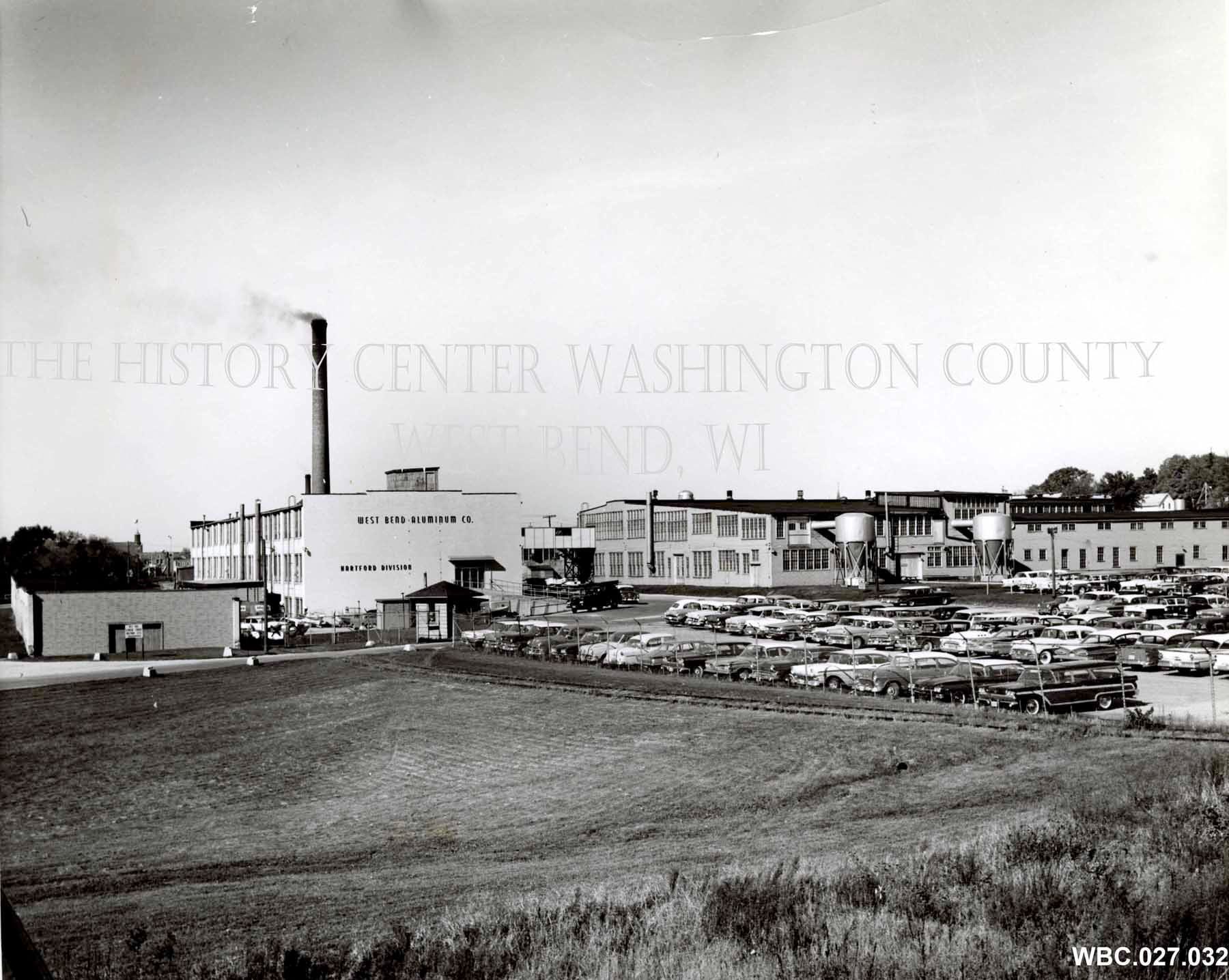
By the mid-20th century, Washington County would be a leading force in industry and innovation, with companies such as Gehl, Amity Leather, and the West Bend Company being recognized around the world.
To learn more about Agriculture in Washington County, as well as to view the exhibit “George Washington and a Nation of Farmers,” make sure to visit the 1889 Courthouse. The exhibit is open to the public for free on Mondays and Tuesdays, 2:00-4:00 pm and Saturdays from 9:00-12:00. Thank you to our sponsors: The Mount Vernon Ladies’ Association, The Washington County Charitable Foundation, and The Tower Heritage Center Board of Directors.
Preserving the past, for tomorrow
Community support keeps Washington County’s stories alive. Make a difference in preserving our community’s historic places and cultural heritage today by becoming a member.