
2 Cream City Brick Myths That Every Historic Building Owner Needs to Know
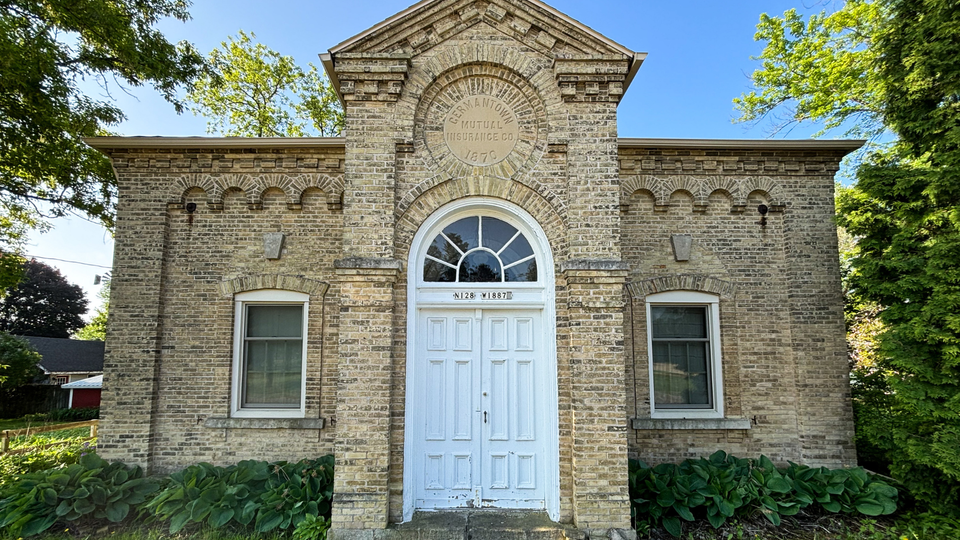
If you think that Cream City bricks were made only in Milwaukee, Wisconsin, then we’ve got news for you: that thought is completely wrong.
Today’s post will shed light on Cream City brick. We will reveal the 2 common myths about the beloved Cream City bricks. So let’s dive in!
Myth #1 – Only Made in Milwaukee, Wisconsin
Popular understanding of the famed Cream City brick was that it all started in Milwaukee, Wisconsin, way back in and around 1835-36. Early brickmakers mined a red clay and a blue clay, mixed them together, and burned it, producing a buff color. Presto!
While this is a super over-simplification of the process, the beautiful, creamy brick became associated with Milwaukee. And leading up to the American Civil War in the 1850s, Milwaukee started mass producing this type of brick, which went hand-in-hand with a building boom.
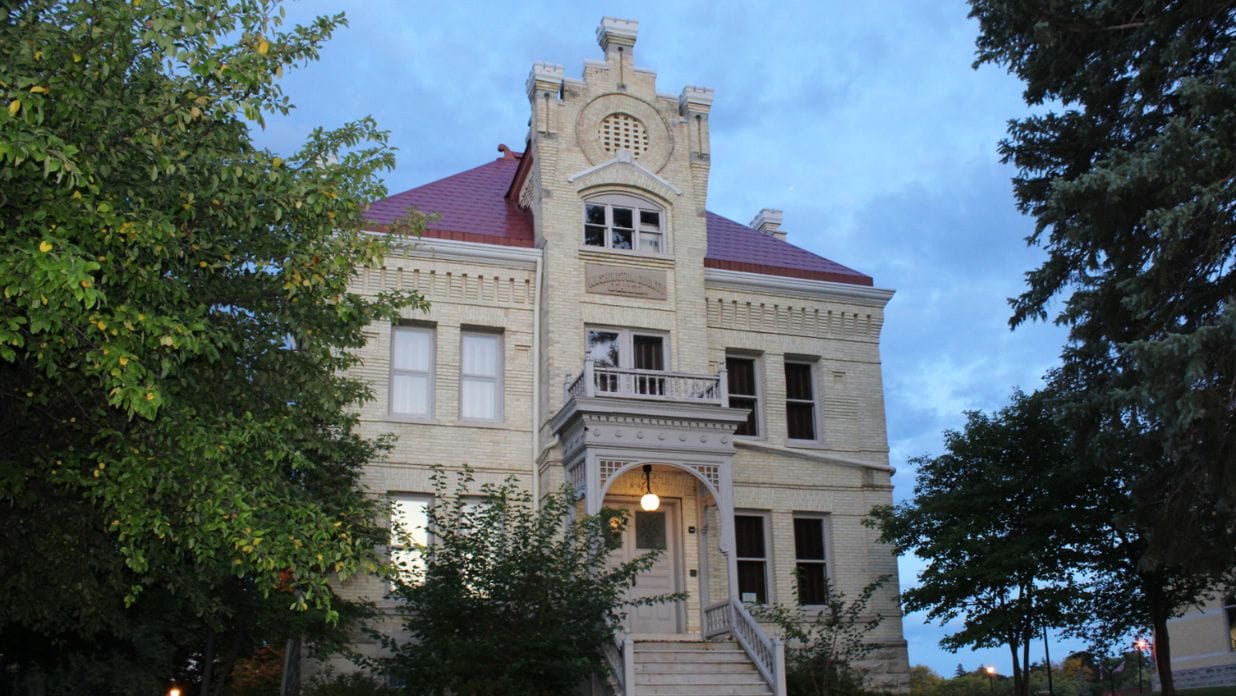
Popularizing Cream City Bricks
Post Civil War, Milwaukee brickmakers industrialized. Technology propelled the mass production of Cream City brick. One of the more famous brick manufacturers, Burnham Brothers, patented the first steam-powered brick machine sometime in the 1850s. Later in 1867, the Burnham Brothers improved their machine and updated their patent.
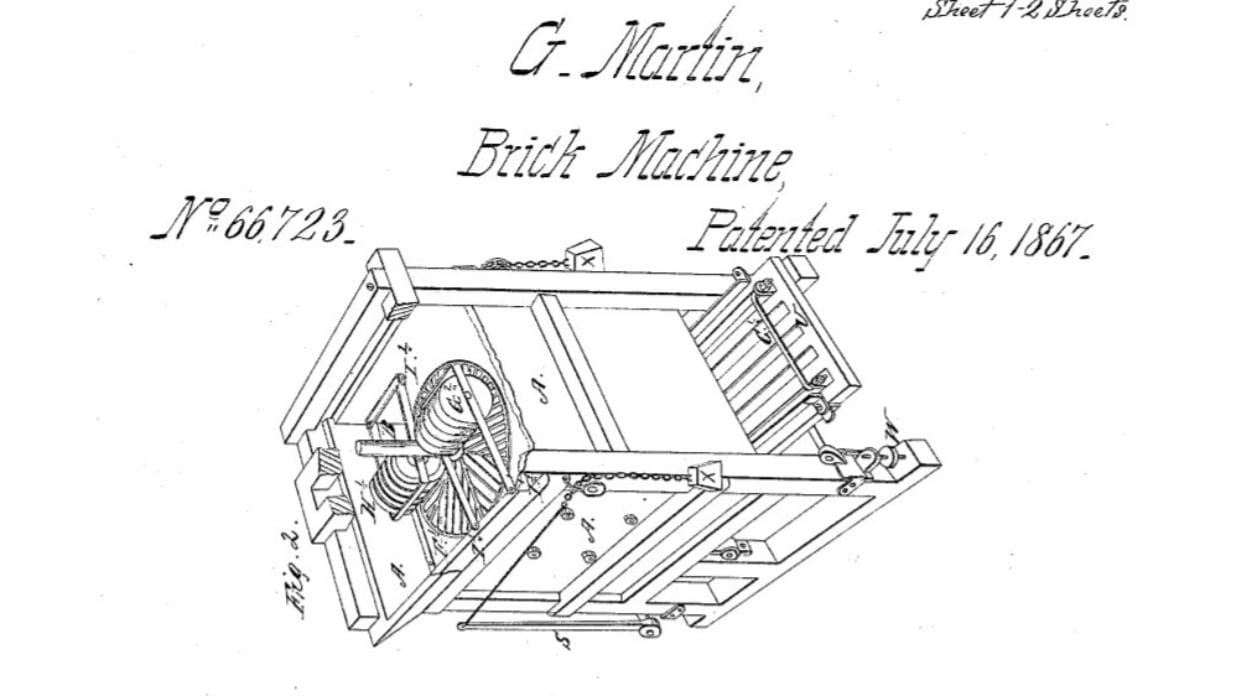
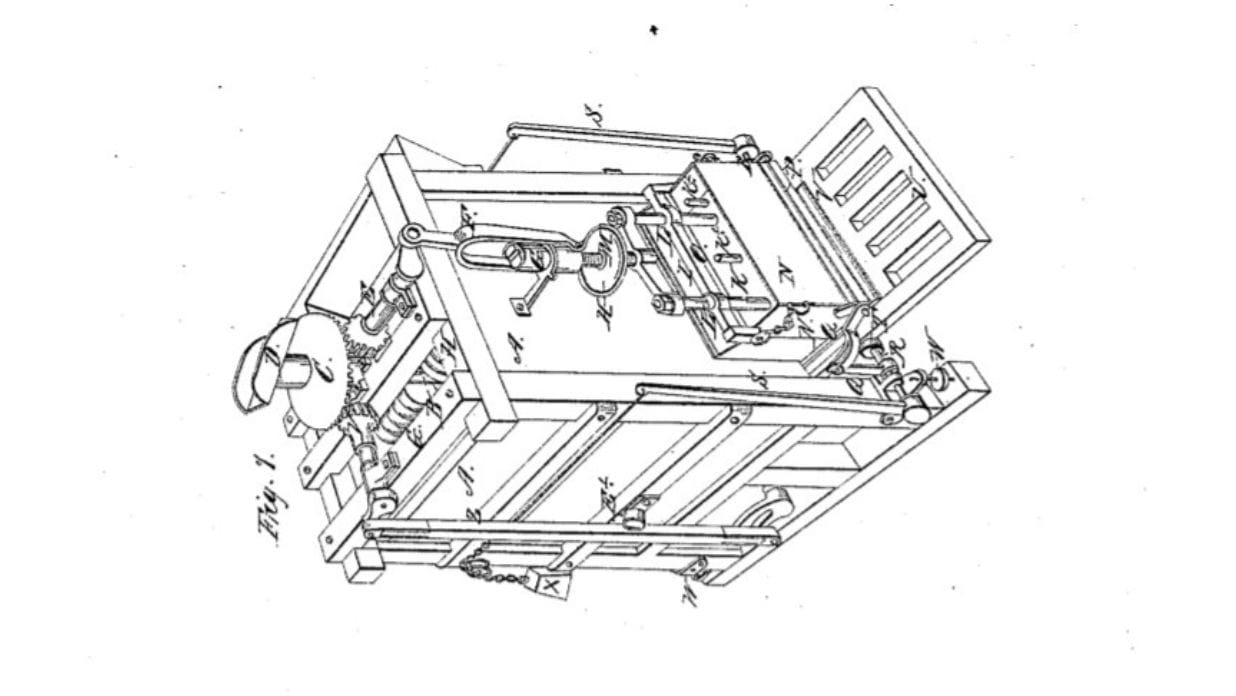
The next several decades saw a huge increase in production, use, and media coverage of the Cream City brick. Speaking of media coverage, that was when the great debate started over the name. Because Milwaukee had so many buff-colored buildings, several names surfaced through newspapers and personal accounts. Names included:
- Milwaukee Brick
- Cream City of the Lakes
- Cream City of the West
- Cream Colored City
- Cream City
Ultimately, Cream City stuck, and did it ever. Sports teams, advertisements, and even companies “borrowed” Cream City to incorporate in their names. For example, the 19th-century Germantown Lime Company, based in Germantown, Wisconsin, changed its name to Cream City Lime Company to better market its products via name association.
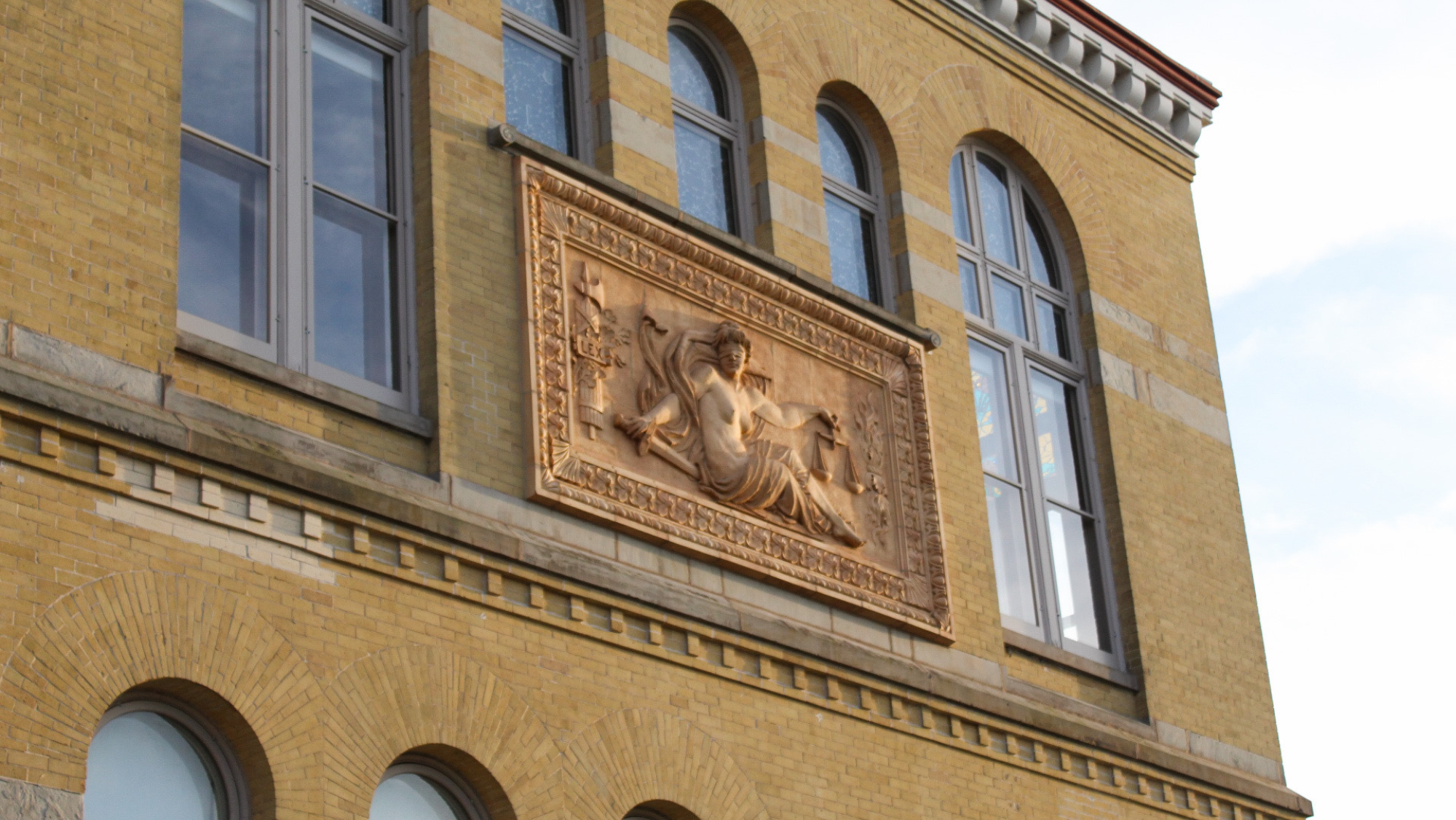
Cream City Brickmaking in Milwaukee, Wisconsin
But what about the myth that Cream City bricks were only made in Milwaukee, Wisconsin?
All of the neighboring counties of Milwaukee, in fact, had Cream City brick operations. But so did areas along the coast of Lake Michigan (as far north as Green Bay, Wisconsin) and the coast of Lake Superior (around Bayfield, Wisconsin).
Away from the Great Lakes, Cream City bricks were produced as far west as Baraboo, Monroe, and Waupaca, and most places in between. For example, Washington County, Wisconsin, is the county where we (The Tower Heritage Center) are based. Between 1853 and 1903, Washington County, Wisconsin, was home to 6 brick factories at one time or another, located in West Bend, Farmington, Boltonville, Kewaskum, Barton, Polk, and Schleisingerville (now known as Slinger).
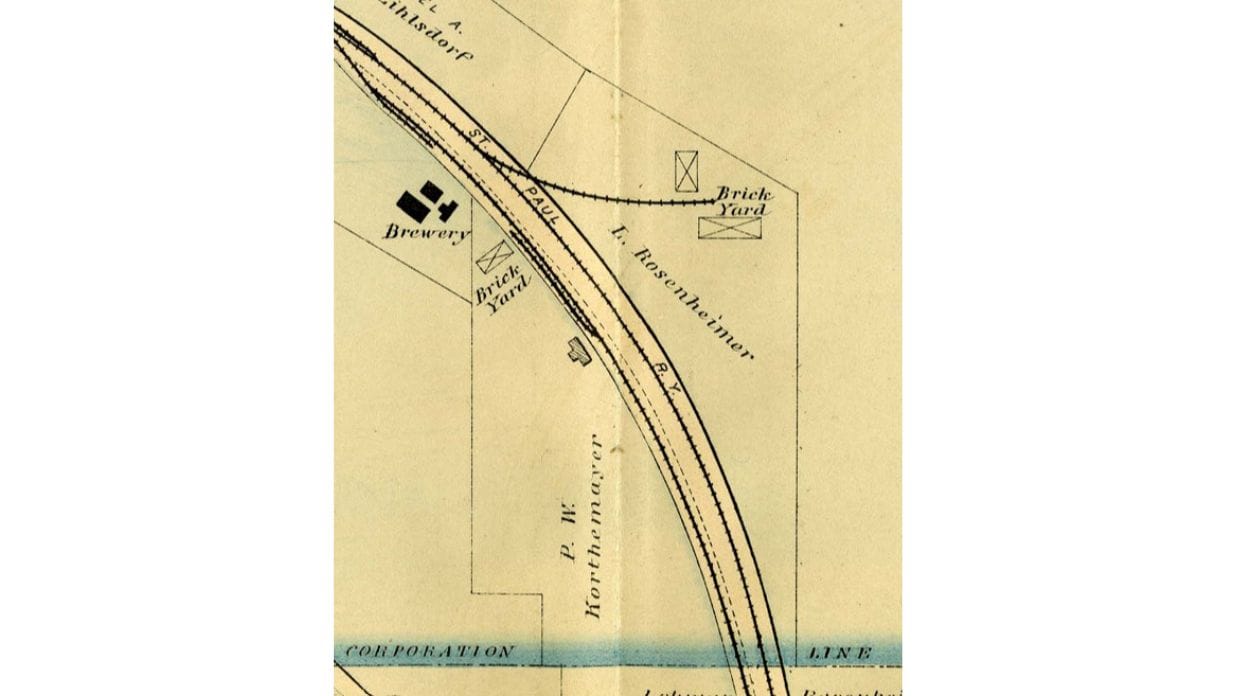
In sum, Cream City bricks were indeed not exclusive to Milwaukee.
Myth #2 – Only Made in Wisconsin (period!)
So if not Milwaukee, then definitely Wisconsin only…right?
Sorry, but nope. Wrong again.
Buffy, creamy, yellow bricks can be found as early as the mid-1600s in Holland. That’s right, Holland! And a few other European countries, such as Germany and the British Isles.
During the height of Cream City brick manufacturing in Wisconsin, production was also happening in parts of Canada, mostly around the Toronto region. In fact, Cream City bricks can be found in 13 other states besides Wisconsin.
It was truly far from being made only in Wisconsin.
Parting Words
There you have it: 2 myths about Cream City brick. You may have never even realized that this beloved brick had a deeper story.
So while Cream City brick is deeply connected to Milwaukee and Wisconsin’s history, but not exclusively, it is still a valuable commodity worth preserving.
Good Reads on Historic Buildings in Washington County, WI
 The Tower Heritage Center
 The Tower Heritage Center
 The Tower Heritage Center
Preserving the Past, for Tomorrow
Community support keeps Washington County’s stories alive! Make a difference in preserving our community’s historic places and cultural heritage today - by becoming a member or making a donation.